
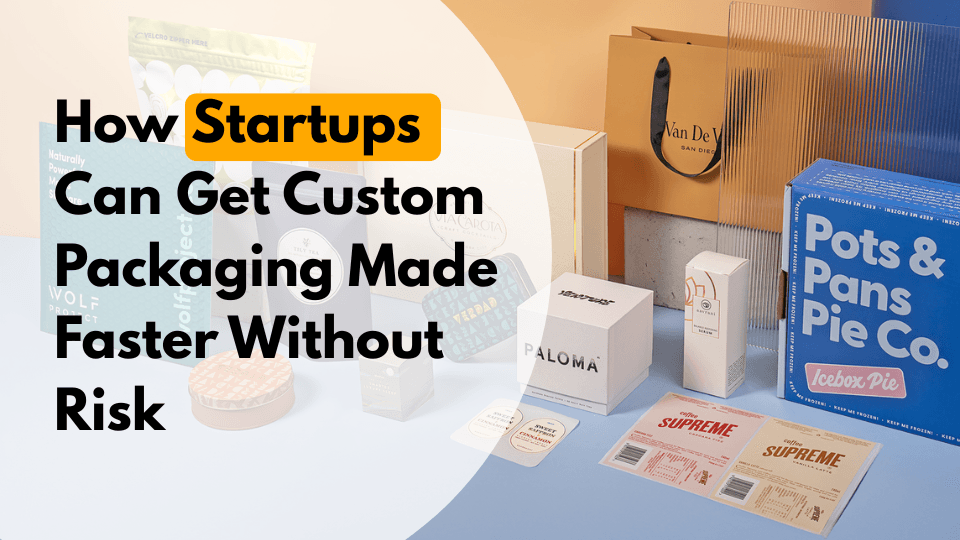
Most delays and mistakes in custom packaging come from poor preparation, not slow suppliers. When startups approach packaging with a clear sequence—preparation first, testing second, and scaling last—they can significantly reduce production time while avoiding costly errors.
For startups, speed matters. Launch timelines are tight, budgets are limited, and every decision carries more weight than it does for established brands. Custom packaging often becomes a bottleneck in this process. Many founders either rush into it and regret the mistakes later, or delay it entirely out of fear of cost, quality issues, or supplier delays.
Quick answer: Startups can get custom packaging made faster and without risk by finalizing product dimensions early, using dieline-based designs, starting with low minimum order quantities, approving physical samples, and choosing simple materials and print methods for the first production run.
The reality is that custom packaging does not have to be slow or risky. When approached correctly, startups can get professionally branded packaging produced quickly, without locking up capital or damaging their brand. This guide explains how to do exactly that, using a practical and proven approach rather than guesswork.
Why Speed and Risk Matter So Much for Startups
Unlike large brands, startups do not have the luxury of long testing cycles or excess inventory. A delayed packaging order can postpone a product launch, disrupt marketing campaigns, or create fulfilment problems at the worst possible moment. At the same time, rushing packaging decisions often leads to expensive reprints, poor fit, or underwhelming presentation.
Professionally designed custom printed boxes help startups build trust from the very first customer interaction.
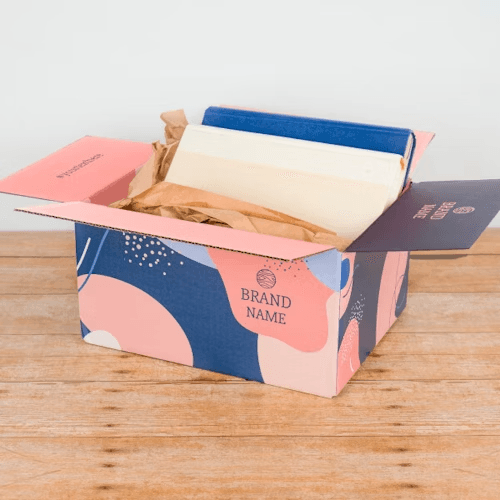
Packaging sits at the intersection of branding, logistics, and customer experience. It affects how customers perceive your product before they even use it. For startups trying to build trust quickly, poorly executed packaging can quietly undermine months of hard work. That is why the goal is not just speed, but controlled speed — moving fast while reducing avoidable risks.
The Real Reasons Custom Packaging Goes Wrong
Most packaging problems are not caused by bad intentions or low-quality suppliers. They usually come from unclear preparation and unrealistic expectations.
One common issue is incorrect sizing. Designing a box before finalising the product dimensions, inserts, or protective wrapping often leads to packaging that looks good on screen but fails in real-world use. Another frequent problem is underestimating production timelines, especially when complex finishes or large quantities are involved.
Startups also struggle when they jump straight into bulk orders. Without testing materials, print quality, or structural strength, even small mistakes are multiplied across hundreds or thousands of units. Finally, poor communication with suppliers, vague specifications, and last-minute changes can slow everything down and introduce unnecessary errors.
The good news is that all of these problems are preventable.
A Practical, Low-Risk Way to Get Custom Packaging Faster
The fastest packaging projects are usually the ones that are prepared properly from the beginning. Instead of treating packaging as a single task, it helps to see it as a short but structured process.
Start by locking in your product details. This includes the final dimensions of the product as it will be packed, its weight, and any protection it needs during shipping. Measuring a product without inserts, sleeves, or wrapping is one of the most common early mistakes.
Once dimensions are confirmed, packaging design should be built on a correct dieline rather than a visual mockup. A dieline is the flat layout of the box that shows fold lines, cut areas, bleed zones, and safe areas for artwork. Designing directly on a dieline ensures that what you approve digitally is what you receive physically.
For startups, production speed improves dramatically when low minimum order quantities are used for the first run. Smaller batches reduce financial risk and allow real-world testing. Feedback from customers, fulfilment teams, and shipping performance can then be used to refine the next order.
Before mass production, startups should always request a packaging sample to verify fit and print quality.
Sampling is another step that saves time in the long run. A physical sample, whether plain or printed, allows you to check fit, structure, material thickness, and overall quality before committing to full production. While sampling adds a few days upfront, it prevents weeks of delay caused by reprints or corrections later.
Finally, choosing simpler printing methods and finishes for the first batch can significantly reduce turnaround time. Digital printing and standard coatings are faster and more forgiving, making them ideal for early-stage brands.
In practice, this means startups should treat their first packaging run as a controlled test rather than a final decision. Speed comes from making fewer assumptions, validating each step early, and keeping the first production run intentionally simple.
Choosing Materials That Save Time and Prevent Mistakes
Material selection plays a major role in both production speed and packaging reliability. For most startups, kraft corrugated packaging offers the best balance of strength, cost efficiency, and fast production. It performs well in ecommerce shipping and supports clean, modern branding and follow sustainable packaging guidelines
Folding cartons are suitable for lighter products and retail-focused packaging but often require an additional outer shipping box. Rigid boxes, while visually premium, involve longer production times and higher costs, making them better suited for later stages once demand is proven.
Startups that prioritise practicality over excessive decoration tend to move faster and experience fewer issues. Material choices should support the product and distribution method first, and aesthetics second.
How Smart Packaging Decisions Support Long-Term Growth
Packaging should not only protect a product; it should also support customer retention and brand growth. Simple additions such as a website URL, QR code, or reorder link can turn packaging into a direct marketing channel.
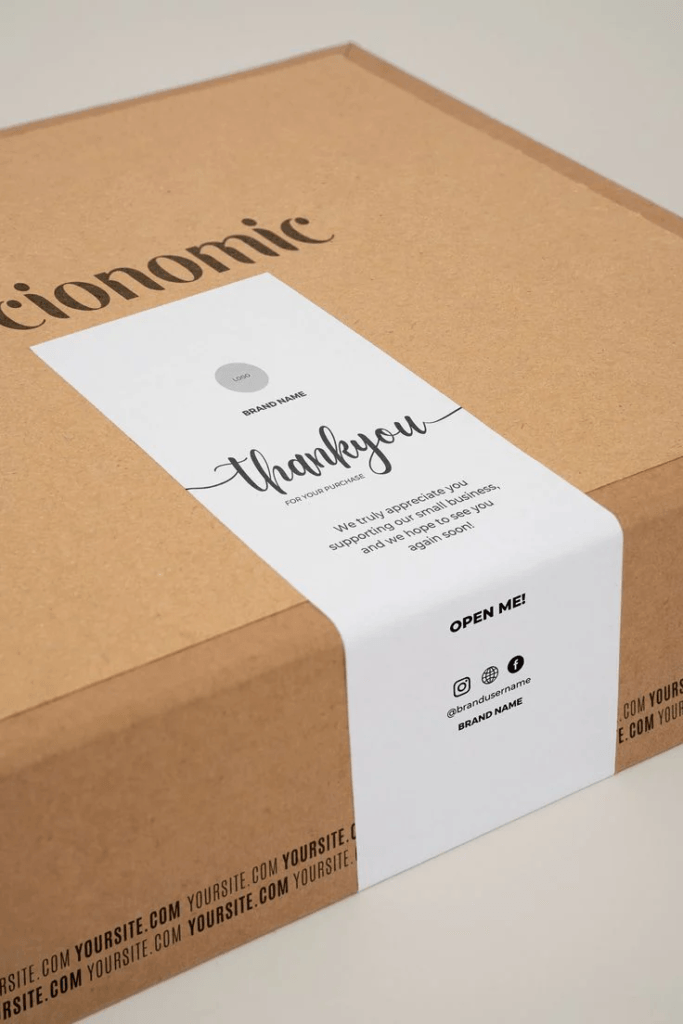
When customers can easily find their way back to your brand, packaging becomes part of your growth system rather than a one-time expense. This is especially powerful for startups that rely on repeat purchases or word-of-mouth referrals.
Brands that treat packaging as an extension of their customer journey often see stronger engagement, better reviews, and improved lifetime value.
Packaging projects that move fastest are typically those where startups simplify early decisions, validate with samples, and scale only after real-world testing confirms what works.
Frequently Asked Questions About Startup Custom Packaging
How fast can startups get custom packaging made?
With digital printing, low MOQ production, and clear specifications, many startups can receive custom packaging within 7 to 21 days depending on complexity and shipping location.
What is the safest way to order custom packaging for the first time?
The safest approach is to start with a physical sample, confirm fit and materials, approve a print proof, and place a small initial order before scaling.
Is custom packaging expensive for small businesses?
Not necessarily. Using simple materials and digital printing allows startups to achieve professional branding without high upfront costs.
Can startups get custom packaging without in-house design experience
Yes. A reliable supplier provides dielines, templates, and guidance to help ensure artwork is submitted correctly.