
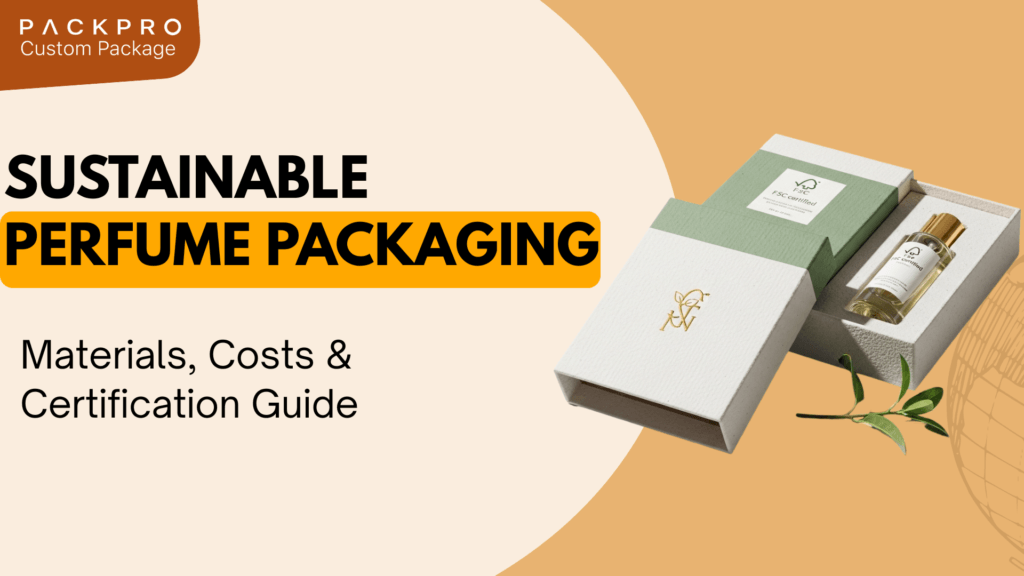
Sustainable perfume packaging involves using materials and processes that minimize environmental impact while maintaining the premium quality that fragrance brands require. As sustainability expectations grow across luxury markets, fragrance packaging is evolving to meet both regulatory requirements and consumer values.
Quick answer: Sustainable perfume packaging uses FSC-certified paperboard, recycled content materials, water-based coatings, and soy-based inks. Certifications including FSC, ISO 14001, and GRS verify environmental claims. Cost premiums are typically five to fifteen percent above conventional alternatives, and they are narrowing as sustainable supply chains mature.
Why Sustainable Perfume Packaging Has Become a Priority
Luxury fragrance brands operate in a category where presentation and values are inseparable from the product experience. As environmental awareness has grown among premium consumers, packaging that cannot demonstrate meaningful sustainability credentials is increasingly vulnerable to criticism. Regulatory pressure in the EU and UK, particularly around Extended Producer Responsibility legislation and plastic use restrictions, is adding a compliance dimension to what was previously a brand choice.
Fragrance packaging presents specific sustainability challenges. The combination of rigid box construction, specialty papers, metallic foils, ribbon closures, and precision inserts involves multiple material streams. Each component requires evaluation against sustainability standards, and the interaction between components affects end-of-life recyclability.
Core Materials for Sustainable Fragrance Packaging
FSC-certified greyboard provides the structural foundation of sustainable rigid box construction. Greyboard certified to FSC Chain of Custody standards confirms that the raw material originates from responsibly managed forests. This certification is widely available from leading greyboard suppliers and adds minimal cost compared to conventional greyboard.
Wrapping papers with recycled content or FSC certification maintain the surface quality required for luxury fragrance presentation. Uncoated and textured papers, which are widely used in premium fragrance packaging, are typically more recyclable than heavily coated alternatives and align well with the material authenticity that modern luxury consumers respond to.
Water-based coatings replace solvent-based alternatives and reduce volatile organic compound emissions during production. They are compatible with standard paper recycling streams and provide adequate surface protection for most luxury fragrance applications. Soft-touch water-based coatings are available and deliver a premium tactile experience comparable to conventional soft-touch laminates.
Soy-based inks are a direct replacement for conventional petroleum-based inks in the offset printing process. They produce comparable print quality across most colour ranges, are certified as bio-based, and support recyclability by being easier to remove during the paper deinking process.
Finishes Compatible with Sustainable Packaging
Foil stamping remains compatible with sustainable packaging when foils that are compatible with paper recycling streams are specified. Certain aluminium-based foils can be processed through standard paper recycling, while others require separation. Specifying recyclable foil types at the procurement stage protects both environmental credentials and future recycling pathway options.
Embossing and debossing add no additional material and are fully compatible with sustainable packaging specifications. They remain valuable finish techniques for sustainable luxury fragrance packaging because they add tactile dimension without environmental compromise.
Certifications That Matter
FSC Chain of Custody certification is the primary standard for verifying responsibly sourced paper and board materials. PEFC provides a complementary certification framework recognised particularly in European markets. ISO 14001 certification for the manufacturing facility confirms that environmental management systems are in place at the production level, going beyond material-level claims.
The Global Recycled Standard verifies the percentage of recycled content in materials and provides a basis for specific recycled content claims in brand communications. Brands making environmental claims on packaging should ensure those claims are supported by verifiable certification rather than general supplier assurances.
Cost and Commercial Considerations
Sustainable perfume packaging typically carries a cost premium of five to fifteen percent compared to conventional alternatives. This premium reflects the additional cost of certified materials, water-based processing, and in some cases lower availability of sustainable alternatives at certain specifications. The premium is narrowing as demand increases and sustainable supply chains mature.
For fragrance brands operating at genuine luxury price points, this cost differential is typically absorbable within existing margins, particularly when the sustainable specification is communicated to consumers as part of the brand story rather than treated as a hidden cost. Brands that integrate sustainability authentically into their positioning often find that it supports rather than undermines premium pricing.