
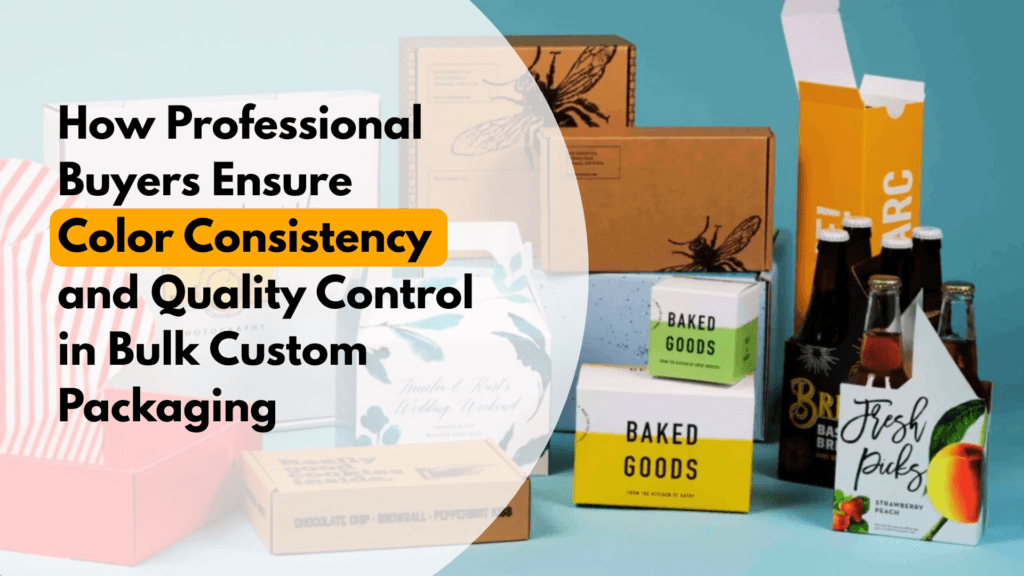
When packaging is ordered in bulk, even small inconsistencies become big problems. A slight color shift, uneven print quality, or material variation might seem minor on a single box, but across thousands of units it can weaken brand identity, confuse customers, and create costly waste. This is why experienced buyers approach custom packaging very differently from first-time purchasers.Brands that invest in reliable custom packaging solutions reduce the risk of inconsistency across large production runs.
Quick answer: Professional buyers ensure color consistency and quality control in bulk custom packaging by using standardized color systems, approving printed samples on final materials, documenting production specifications, and maintaining strict quality checks throughout manufacturing and repeat orders.
Professional buyers do not rely on hope or visual mockups alone. They follow structured processes that control color accuracy, material quality, and production consistency long before bulk manufacturing begins. Understanding these practices helps brands avoid expensive mistakes and maintain a professional, reliable appearance across every shipment.
Why Color Consistency Matters in Bulk Packaging
Color is one of the strongest brand identifiers. Customers often recognize a brand by color before they read a logo or product name. When packaging colors vary between batches, it creates a sense of inconsistency that subtly damages trust. For retail brands, color variation can also cause problems with shelf presentation, making products look mismatched or unofficial.
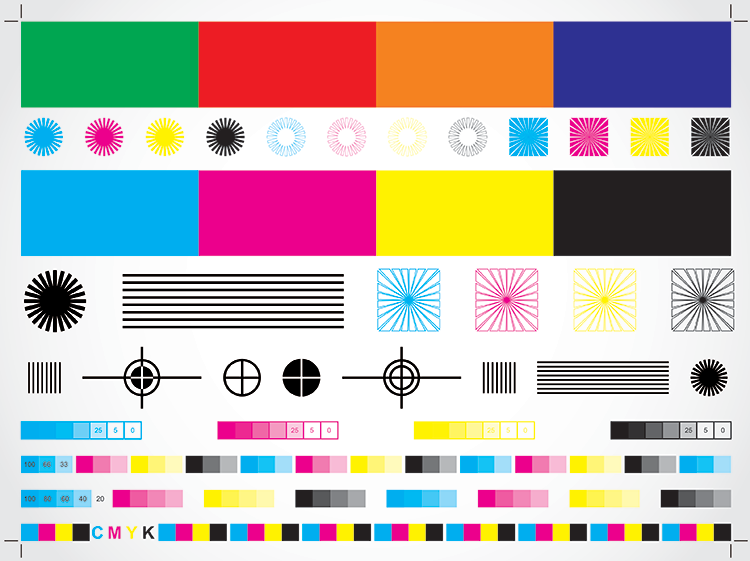
In bulk production, color inconsistency usually occurs because digital designs are not properly translated into print specifications. Screens display color using light, while printing relies on ink and substrate interaction. Without proper controls, the final result can drift from what was originally approved, especially when orders are repeated over time or produced in different batches.
Professional buyers understand that color accuracy is not accidental. It is managed through standards, approvals, and communication.
In bulk orders of custom printed boxes, even small color shifts can become visible and damaging to brand identity.
How Professionals Control Color Before Production Begins
Most color inconsistencies in bulk packaging occur because visual designs are approved without production standards. Professional buyers prevent this by separating creative design from print execution and locking color decisions to measurable, repeatable specifications.
The first step professionals take is separating design color from production color. Instead of approving artwork based only on how it looks on a screen, they specify colors using standardized color systems. Pantone matching, for example, allows printers to reproduce consistent hues across different print runs, materials, and locations.
Equally important is understanding how materials affect color. The same ink can appear different on kraft board, white corrugated, or coated surfaces. Professional buyers always confirm the substrate before approving color, knowing that uncoated materials absorb ink differently and naturally produce softer tones.
Rather than relying on assumptions, experienced buyers request printed proofs or physical samples. These proofs show how color behaves on the actual material under real lighting conditions. Adjustments are made at this stage, not after mass production has already started.
Quality Control Starts With Clear Specifications
Bulk packaging quality issues often originate from vague or incomplete specifications. Professional buyers reduce risk by providing suppliers with precise instructions covering dimensions, materials, print coverage, finishes, tolerances, and acceptable variation limits.
This clarity allows suppliers to align production teams, calibrate machines correctly, and maintain consistent output. It also creates accountability. When quality expectations are documented, deviations can be identified and corrected quickly instead of debated after the fact.
Experienced buyers also confirm that the same specifications are used for repeat orders. This prevents gradual drift in color or quality over time, which is a common problem when packaging is reordered months later without reference to previous production standards.
While speed matters for startups, as discussed in our guide on getting custom packaging made faster without risk, consistency becomes critical as order volumes increase.
Sampling and Proofing as a Quality Control Tool
In practice, this means bulk packaging decisions are never based on assumptions. Every color, material, and finish is validated on the actual substrate before scaling production, ensuring that what is approved once can be reproduced reliably at volume.
Sampling is not a delay tactic. For professional buyers, it is the fastest way to avoid large-scale errors. A physical sample reveals issues that digital proofs cannot, such as color density, ink saturation, alignment, and finish feel.
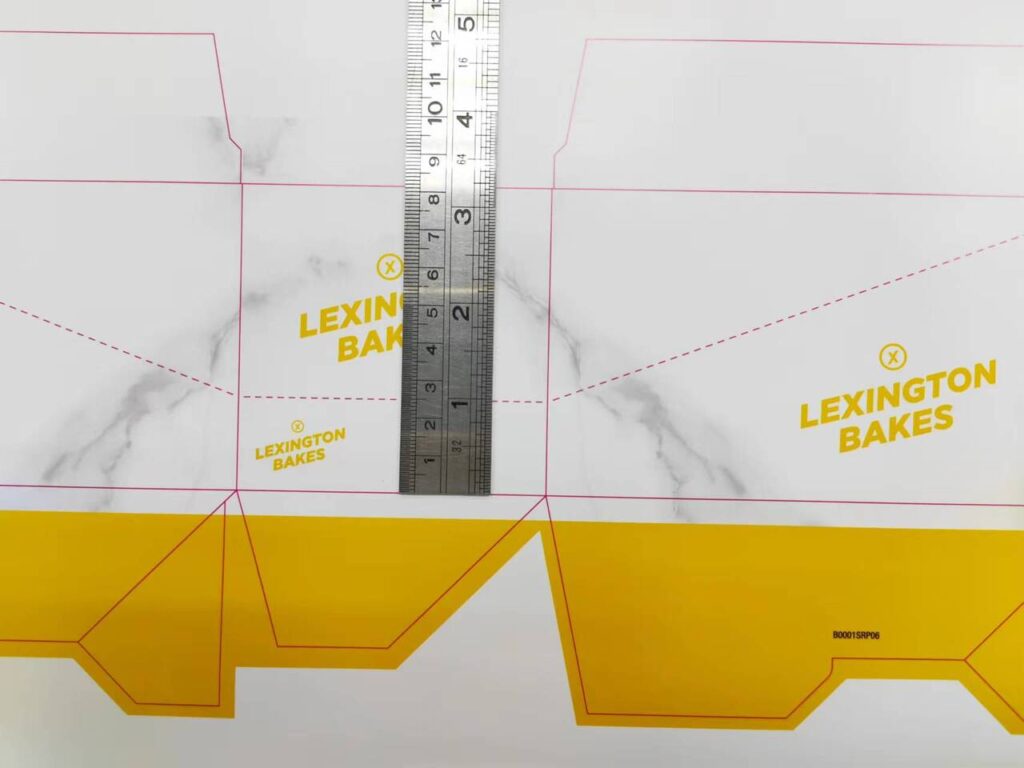
Printed samples are reviewed under consistent lighting conditions and compared directly to brand standards. Any adjustments needed are resolved before full production approval is given. This approach ensures that once bulk manufacturing starts, the outcome is predictable.
In high-volume orders, professionals may also approve a “golden sample.” This becomes the reference point for quality throughout production and future reorders, ensuring long-term consistency.
This is why professional buyers always request a printed packaging sample before approving mass production.
Managing Consistency During Bulk Production
Even after approval, professional buyers do not assume everything will go perfectly. They understand that bulk production requires monitoring. Reputable suppliers perform in-process quality checks, comparing output against approved samples and specifications.
For large or repeat orders, professionals often request batch-level consistency, meaning all units within an order must match the approved standard without visible variation. This is especially important when packaging is used across multiple product lines or shipped to different regions.
Strong communication between buyer and supplier plays a key role here. Clear escalation paths, quality checkpoints, and documented approvals allow issues to be resolved early rather than after delivery.
Why Professional Buyers Choose Long-Term Packaging Partners
Consistency improves dramatically when brands work with the same packaging partner over time. Professional buyers prioritize suppliers who document past orders, retain approved specifications, and understand brand standards deeply.
Long-term relationships reduce setup time, minimize errors, and make repeat production faster and more reliable. Instead of re-explaining requirements with every order, buyers benefit from continuity and institutional knowledge on the supplier side.
This is particularly valuable for growing brands, where packaging volumes increase but quality expectations remain high.
Frequently Asked Questions About Color Consistency and Quality Control
How do professional buyers ensure color consistency in bulk packaging?
They ensure consistency by using Pantone or standardized color systems, approving printed samples on final materials, and documenting specifications that are reused for every production run
Why do colors look different on packaging than on screen?
Screens display color using light, while printing uses ink on physical materials. Material type, ink absorption, and finish all affect the final appearance.
Is sampling necessary for bulk packaging orders?
Yes. Sampling allows buyers to verify color, material, and print quality before committing to full production, reducing costly mistakes.
How can brands maintain consistency across repeat orders?
By saving approved specifications, using the same supplier, and referencing previous samples when reordering.
Final Thoughts: Quality Is a Process, Not a Guess
Professional buyers achieve consistent color and quality because they treat packaging as a controlled process, not a one-time transaction. They plan ahead, specify clearly, validate early, and work with partners who value precision.
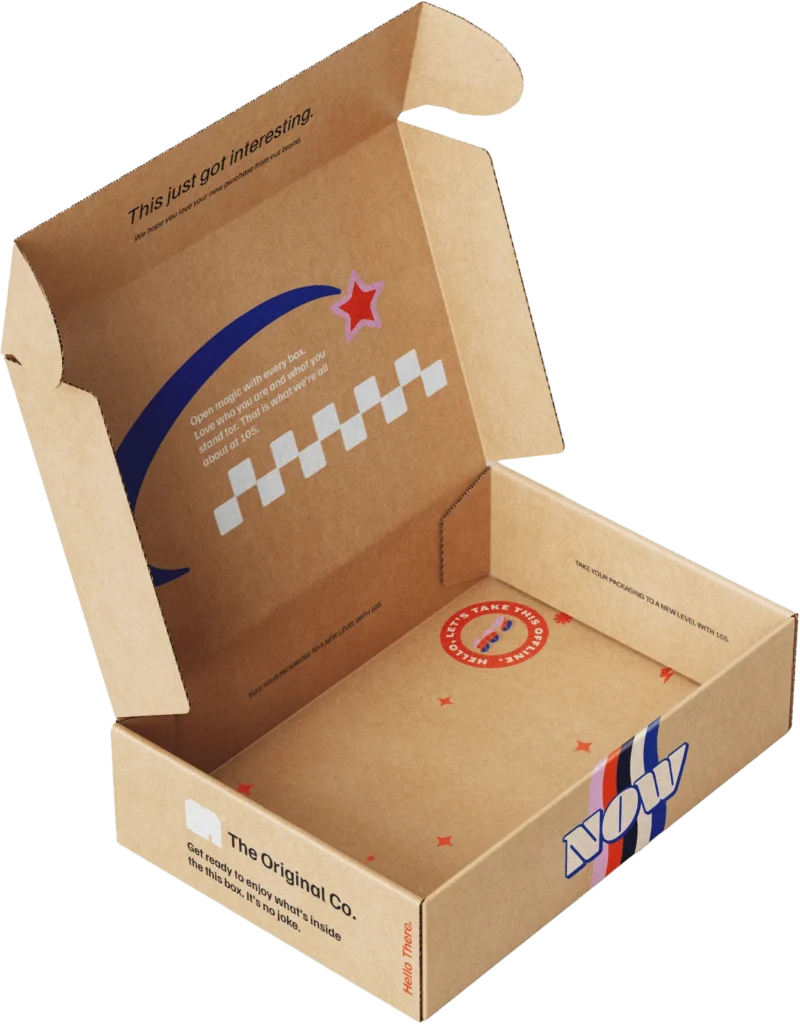
For brands ordering bulk custom packaging, adopting this mindset is what separates inconsistent results from packaging that looks professional every single time. When quality is managed deliberately, speed and scale become achievable without compromising brand integrity.
PackPro Packaging works with professional buyers to ensure repeatable color accuracy and quality control across bulk packaging orders.
To maintain consistent color and quality at scale, brands can request a custom packaging quote and discuss quality control requirements in advance.