
Retail packaging is far more than a simple container; it is a critical sales tool, a physical representation of your brand, and the first tangible interaction a customer has with your product. In the crowded retail environment, your packaging design directly influences consumer purchase decisions, brand positioning, and long-term loyalty. It must communicate value, protect the product, and create a memorable experience in a matter of seconds.
Strategic retail packaging design is the process of engineering a product’s exterior to meet specific business objectives, including enhancing shelf appeal, ensuring product integrity, optimizing supply chain efficiency, and increasing sales performance. It aligns visual aesthetics with structural functionality and material science to create a packaging solution that delivers a measurable return on investment. For ambitious brands, it is an indispensable component of product marketing and a powerful driver of commercial success.
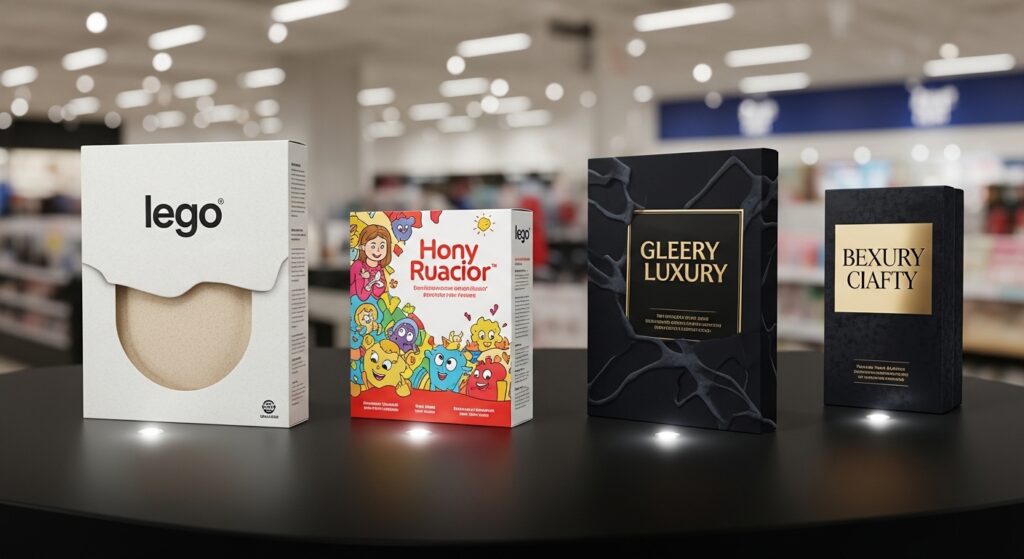
Strategy 1: Design for Shelf Impact (The First 3 Seconds Rule)
In a typical retail store, your product is surrounded by hundreds of competitors. You have approximately three seconds to capture a shopper’s attention. An effective retail packaging design makes those seconds count, turning a passing glance into a purchase.
Why It Matters
Shelf impact is the ability of a product to stand out and be noticed by consumers in a retail setting. It is the primary function of your packaging’s graphic and structural design. Without strong shelf impact, even a superior product can be overlooked.
Business Impact
- Increased Visibility: A visually striking design breaks through the noise, drawing the consumer’s eye directly to your product.
- Faster Purchase Decisions: Clear, compelling packaging helps shoppers quickly understand your product’s value proposition, speeding up their decision to buy.
- Brand Differentiation: Unique shapes, colors, and graphics set your brand apart from competitors, preventing it from blending in and becoming a commodity.
Common Mistakes
Many brands fail to test their designs in a simulated retail environment. A design that looks great on a computer screen can disappear on a busy shelf. Common errors include using colors that lack contrast with the retail environment, typography that is difficult to read from a distance, and imagery that doesn’t clearly communicate the product’s purpose.
Manufacturer Insights
As a custom retail box manufacturer, we stress-test designs for real-world performance. We analyze the lighting, shelving, and competitive landscape of your target retailers. We recommend using a distinct color palette and a clear visual hierarchy to guide the consumer’s eye. A unique structural design, such as an unconventional shape, can also be a powerful tool for capturing initial attention.
Strategy 2: Structural Engineering for Product Protection & Efficiency
While visual appeal attracts customers, the structural integrity of your packaging ensures the product arrives in perfect condition. Structural engineering is a non-negotiable aspect of premium retail packaging design, balancing protection, user experience, and cost-efficiency.
Why It Matters
The structure of your packaging is its functional backbone. It must withstand the rigors of the supply chain, from the factory floor to the retail shelf and into the customer’s hands. Damage during transit leads to lost revenue, negative reviews, and a tarnished brand reputation.
Business Impact
- Reduced Product Damage: Expertly engineered packaging minimizes breakage and spoilage, directly protecting your revenue and profit margins.
- Improved User Experience: An easy-to-open, intuitive package enhances the customer’s first interaction with your product, laying the foundation for a positive brand perception.
- Optimized Material Costs: Strategic structural design uses the precise amount of material needed for protection, eliminating waste and reducing per-unit costs. A skilled manufacturer can often create a stronger box with less material.
Common Mistakes
A frequent error is choosing a generic box style that isn’t suited for the specific product’s weight, shape, or fragility. Another is neglecting the “unboxing experience”—making the package difficult or frustrating to open. This can turn a moment of excitement into one of annoyance. Reviewing your options in a guide to [Internal link: Folding Carton Box Styles] can help you understand the structural possibilities.
Manufacturer Insights
Our structural engineers use advanced software to design and prototype packaging solutions. We consider factors like product weight distribution, drop-test requirements, and stacking strength. By creating precise custom inserts and supports, we immobilize the product within the box, providing maximum protection. Developing a proper [Internal link: Packaging Dieline Guide] is the first step in this engineering process, ensuring a perfect fit every time.
Strategy 3: Premium Materials & Finishing Techniques
The materials and finishes used in your retail packaging are a direct signal of your brand’s quality. For premium brands, selecting the right paper stock, textures, and printing effects is essential for justifying a higher price point and building perceived value.
Why It Matters
Tactile elements create a multi-sensory experience. The weight of the box, the texture of the paper, and the shine of a foil stamp all communicate a message of quality and attention to detail. These are the details that elevate a brand from standard to luxury.
Business Impact
- Increased Perceived Value: High-quality materials and finishes make the product feel more valuable, allowing for premium pricing and higher profit margins.
- Enhanced Brand Perception: A luxurious feel reinforces a brand’s positioning as a high-end, trustworthy choice. This is especially critical for influencer campaigns using a [Internal link: PR Box Packaging Guide].
- Stronger Emotional Connection: Engaging the sense of touch creates a deeper, more memorable connection with the consumer, fostering brand loyalty.
Common Mistakes
Choosing materials based solely on cost is a critical mistake. A flimsy box with low-quality printing can make an excellent product feel cheap. Another error is over-designing with too many finishes, which can make the package look busy and detract from the core brand message. The key is to be selective and strategic.
Manufacturer Insights
We work with a global network of paper mills to source a wide range of premium materials, from thick, uncoated art papers to specialty textured stocks. We recommend finishing techniques that align with your brand identity.
- Foil Stamping: Adds a metallic, luxurious shine.
- Embossing/Debossing: Creates a raised or recessed 3D effect.
- Spot UV: Applies a high-gloss finish to specific areas for contrast.
- Soft-Touch Lamination: Provides a velvety, matte texture that encourages touch.
For high-end products, a [Internal link: Custom Rigid Box Manufacturer] can provide the ultimate in quality and durability.
Strategy 4: Sustainable Packaging as a Competitive Advantage
Today’s consumers, particularly in Western markets, demand that brands operate responsibly. Sustainable retail packaging is no longer a niche preference but a mainstream expectation. Integrating sustainability into your packaging strategy is a powerful way to build brand trust and gain a competitive edge.
Why It Matters
Sustainability demonstrates your brand’s commitment to environmental stewardship. This resonates deeply with conscious consumers and can be a deciding factor in their purchasing choice. It also prepares your business for increasingly strict environmental regulations globally.
How Sustainable Packaging Drives Business Value
- Improves Brand Trust: Communicating your use of responsible materials builds credibility and fosters a positive brand image. 85% of consumers have shifted their purchase behavior towards being more sustainable in the past five years.
- Meets Regulatory Standards: Using certified materials helps you comply with environmental laws in markets like the EU and California, avoiding potential fines and access issues.
- Reduces Long-Term Costs: Optimizing packaging for recyclability can lower disposal fees. Furthermore, lightweight, “right-sized” sustainable designs can significantly cut shipping costs and carbon emissions.
Common Mistakes
“Greenwashing”—making unsubstantiated claims about sustainability—can severely damage brand credibility. Another mistake is assuming sustainable materials are always weaker or more expensive. Modern eco-friendly materials offer excellent performance and can be cost-neutral when designed efficiently.
Manufacturer Insights
We are an ISO-certified manufacturer and strongly advocate for using FSC-certified materials. The Forest Stewardship Council (FSC) ensures that paper products come from responsibly managed forests. This certification is a globally recognized mark of environmental and social responsibility. By partnering with an FSC-certified custom packaging factory in China, you can confidently market your packaging as sustainable. Authority linking to credible organizations like the [FSC official site] on your website can further enhance your brand’s transparency and trustworthiness. Learn more in our [Internal link: Sustainable Luxury Packaging Guide].
A Comparison: Basic vs. Strategic Retail Packaging
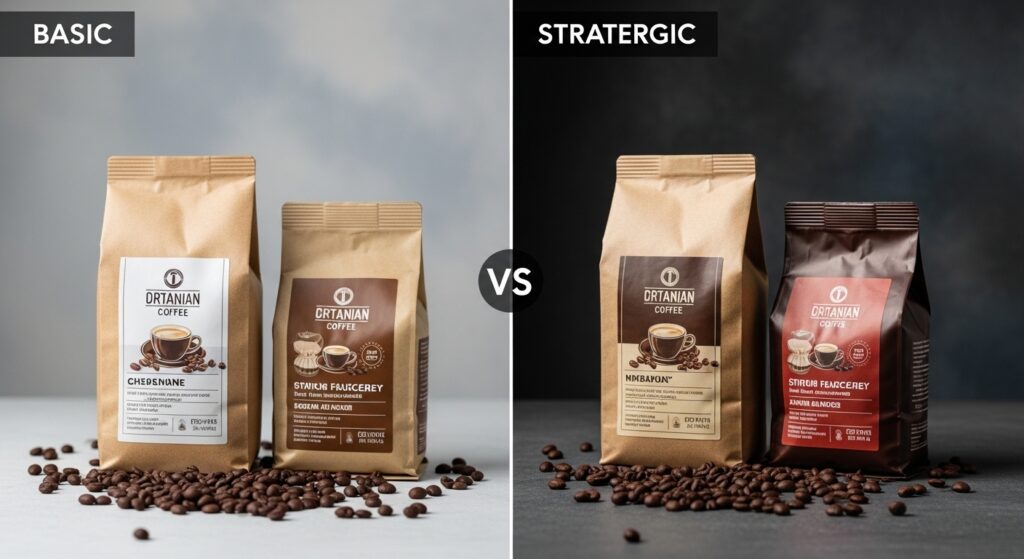
The difference between simply covering a product and strategically packaging it is stark. The choice has a direct impact on your brand’s performance, profitability, and long-term value.
| Feature | Basic Packaging | Strategic Retail Packaging |
| Primary Goal | Contain the product | Drive sales and build brand equity |
| Design Focus | Cost-minimization | ROI-maximization and brand experience |
| Structure | Generic, one-size-fits-all | Custom-engineered for product and shelf |
| Materials | Standard, non-certified paper | Premium, FSC-certified materials |
| Finishes | Standard print only | Strategic use of foil, emboss, lamination |
| Sustainability | Not a consideration | Core component of brand strategy |
| Supply Chain | No automation or logistics planning | Optimized for supply chain and fulfillment |
| Business Outcome | Commodity perception, price pressure | Premium positioning, higher margins |
Strategy 5: Optimizing Packaging for Retailer Requirements
Your packaging must work for your end consumer, but it must first work for your retail partners. Major retailers have specific guidelines for packaging dimensions, barcodes, and merchandising. Ignoring these requirements can lead to rejected shipments, fines, and damaged retail relationships.
Why It Matters
Retailer compliance is a gatekeeping issue. If your packaging doesn’t meet the technical specifications of your distribution channels (e.g., Walmart, Costco, Amazon), your product may never even reach the shelf.
Business Impact
- Secured Retail Listings: Compliant packaging ensures smooth acceptance into major retail channels, preventing costly delays and rejections.
- Improved Retailer Relationships: Demonstrating that you understand and adhere to retailer guidelines positions you as a professional and reliable partner.
- Efficient In-Store Handling: Packaging designed for easy stocking and display (e.g., shelf-ready packaging) is highly valued by retailers and can lead to better placement.
Common Mistakes
The most common mistake is designing packaging in a vacuum, without consulting the specific guidelines of each retail partner. Another is placing barcodes incorrectly or using a low-contrast color combination that makes them difficult to scan, causing logistical chaos at checkout and in the warehouse.
Manufacturer Insights
When we begin a project, one of our first questions is, “Where will this product be sold?” We maintain a database of requirements for major global retailers. We ensure that your packaging design incorporates the correct barcode type (UPC, EAN), size, and placement. We also design for different merchandising systems, whether it’s a hanging peg hook, a standard shelf, or a point-of-purchase display.
Strategy 6: Designing for Logistics & Supply Chain Efficiency
An intelligent retail packaging strategy extends beyond the shelf to the entire supply chain. How your packaging is packed, shipped, and stored has a significant impact on your bottom line. Designing for logistics is about removing friction and cost from every step of the journey.
Why It Matters
Every cubic centimeter and every gram adds cost to your supply chain. Efficient packaging design minimizes shipping volume and weight, reduces labor costs in fulfillment centers, and maximizes storage density in warehouses.
Business Impact
- Lower Shipping Costs: “Right-sizing” your packaging to eliminate unnecessary headspace and using lightweight materials can dramatically reduce freight expenses, especially for international shipping.
- Increased Storage Capacity: Flat-packed, easy-to-assemble boxes save valuable warehouse space, lowering storage costs.
- Faster Fulfillment: Packaging designed for quick assembly and packing can improve throughput in fulfillment centers, especially for e-commerce brands.
Common Mistakes
A major oversight is designing a beautiful but complex box that is slow and difficult to assemble, creating bottlenecks in production or co-packing facilities. Another is failing to consider container or pallet maximization, leading to wasted space and higher costs per unit shipped.
Manufacturer Insights
As a global custom packaging factory in China, we design for export. Our structural engineers optimize designs to fit the maximum number of units into standard shipping containers. We recommend self-locking or auto-bottom box styles for brands looking to improve assembly speed. Furthermore, being an ISO-certified manufacturer means our quality control processes are standardized and reliable, ensuring consistency across thousands of units. This level of process optimization is validated by organizations like the ISO organization, which sets international standards for quality management.
How Retail Packaging Influences Consumer Psychology & Sales Performance
Strategic retail packaging design is a form of applied psychology. It leverages visual and tactile cues to influence perception, justify price, and encourage purchasing behavior.
- Visual Hierarchy: Effective packaging guides the consumer’s eye to the most important information in a specific order: first, the brand name, then the product type, and finally, key benefits. This clarity reduces cognitive load and makes the purchase decision easier.
- Brand Recall: Consistent use of a unique color palette, logo, and typography across all products creates a strong brand block on the shelf. This makes your products instantly recognizable and builds brand recall over time.
- Price Justification: Premium materials, elegant structural design, and refined finishes create a perception of high quality. This halo effect extends to the product inside, justifying a premium price point in the consumer’s mind.
- Repeat Purchase Behavior: A positive unboxing experience—a package that is easy to open, well-organized, and aesthetically pleasing—creates a final, positive brand interaction. This memorable moment reinforces the purchase decision and encourages future loyalty.
Common Retail Packaging Mistakes That Reduce Sales
Even small mistakes in packaging can have an outsized negative impact on sales and brand perception.
- Overcomplicated Design: Too many messages, clashing colors, or confusing graphics overwhelm the consumer, who will likely move on to a simpler, clearer option.
- Weak Structural Support: A crushed corner or a damaged product instantly destroys customer confidence and leads to costly returns.
- Ignoring Retailer Compliance: Non-compliant barcodes or dimensions can get your product delisted before it ever has a chance to sell.
- Poor Color Reproduction: Inconsistent or low-quality color printing makes a brand look unprofessional and cheapens the product.
- Underestimating Shipping Damage: Failing to design for the stresses of transit is one of the most expensive mistakes a brand can make, eroding profits and customer trust.
Frequently Asked Questions (FAQ)
Your Partner in Strategic Retail Packaging
An effective retail packaging design strategy is a force multiplier for your brand. It protects your product, communicates your value, and drives sales performance. Executing that strategy requires a manufacturing partner with deep expertise in structural engineering, global logistics, and premium production.
With over 20 years of experience as a custom packaging factory in China, we empower global brands to win at the shelf. Our ISO & FSC-certified facility has a daily capacity of over 50,000 units, providing the scale and quality assurance your business demands. From structural engineering to global export, we manage every detail to ensure your packaging is a competitive asset.
Request a retail packaging consultation to enhance your brand presence and increase sales performance.