
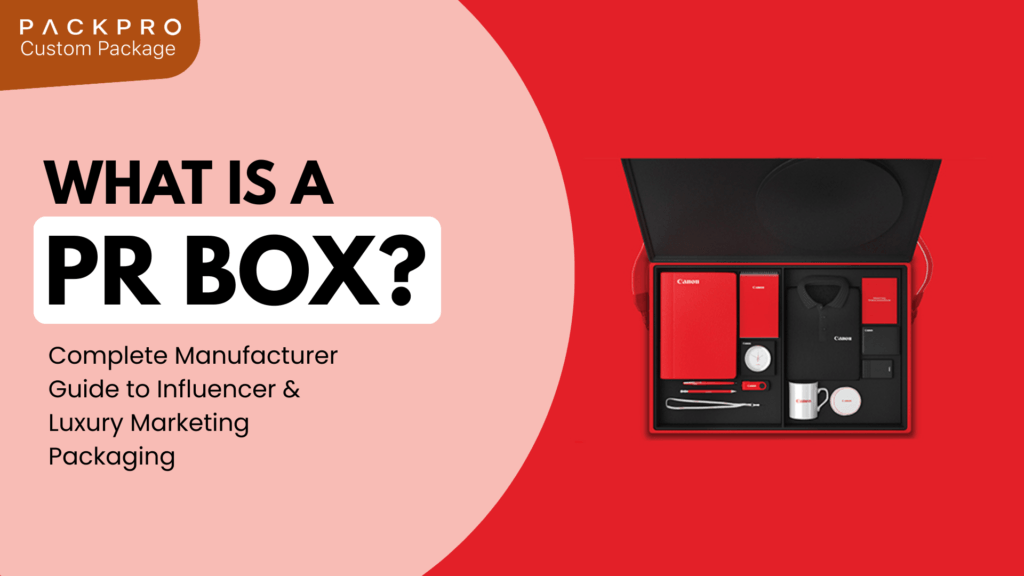
In the world of influencer marketing and luxury product launches, first impressions are everything. The difference between a campaign that goes viral and one that falls flat often comes down to the unboxing experience. PR boxes and influencer packages are no longer just a delivery mechanism; they are a brand communication strategy in physical form.
Quick answer: A PR box is a curated, branded package sent to influencers, media contacts, or VIP customers to generate content, coverage, and brand awareness. When designed and executed effectively, a PR box becomes a content asset that extends far beyond the initial recipient.
What Is a PR Box?
A PR box is a carefully assembled package sent by a brand to content creators, journalists, celebrities, or loyal customers as part of a marketing or public relations campaign. Unlike standard retail packaging, a PR box is designed with the unboxing experience as its primary purpose. Every element, from the outer packaging to the tissue paper, the brand card, the product arrangement, and any personalised inserts, is chosen to create a moment worth sharing.
The term PR box originates from the practice of sending press packages to journalists and magazine editors. As influencer marketing grew, the same concept expanded to include YouTube creators, Instagram influencers, TikTok creators, and brand ambassadors across every category from beauty and fashion to food, tech, and lifestyle.
Why PR Boxes Work as a Marketing Channel
The effectiveness of PR boxes as a marketing channel comes from their ability to generate authentic, organic content. When a creator opens a well-designed PR box on camera, the reaction is genuine. The visual drama of a premium unboxing translates directly into engaging content across Instagram Reels, TikTok videos, YouTube shorts, and Stories.
Unlike paid advertising, unboxing content carries a degree of authenticity that audiences respond to. The creator’s genuine reaction to the packaging, the product reveal, and any personalised elements creates content that feels spontaneous even when the campaign is carefully planned. This is why leading beauty brands, fashion houses, and consumer goods companies invest heavily in PR box design as part of their campaign budgets. For holiday campaigns, see promotional gift boxes for the holidays.
A well-executed PR box also provides brands with a library of user-generated content that can be repurposed across their own channels, extending the return on the original investment.
Core Components of an Effective PR Box
The outer packaging sets the first impression. Rigid boxes with magnetic closures are the most common choice for premium PR campaigns because they open cleanly and create a strong visual reveal. Custom printing, foil stamping, and soft-touch finishes elevate the perceived value of the box before the contents are even seen.
Interior presentation matters as much as the exterior. Tissue paper, custom crinkle fill, foam inserts, and fabric lining all contribute to the layered reveal that makes unboxing content engaging. Each item should be positioned deliberately so that the order of discovery enhances the narrative the brand wants to create.
Personalisation is increasingly expected. A handwritten note or personalised card addressed to the creator by name transforms a mass send-out into what feels like a personal gesture. This detail significantly increases the likelihood of a genuine, positive reaction being shared publicly.
Branded inserts such as cards explaining the product story, campaign messaging, or hashtag instructions provide the creator with the context needed to communicate the brand’s message accurately. These inserts should be visually consistent with the overall packaging design rather than treated as afterthoughts.
Design Principles for High-Impact PR Packaging
The most effective PR boxes are designed with the camera in mind. Everything that will be visible in an unboxing video should be considered from a visual storytelling perspective. Colour choices, texture contrasts, the reveal sequence, and even the sound of the packaging opening all contribute to the content that creators capture.
Consistency with brand identity is essential. The PR box should feel like an extension of the brand’s visual language, not a separate product. Typography, colour palette, finish choices, and structural style should all align with how the brand presents itself across other touchpoints.
Scale and proportion matter. A box that is disproportionately large relative to the products it contains can feel wasteful and generate negative commentary. A box that is too small may not create the visual drama the campaign requires. The right scale creates a sense of anticipation while delivering a satisfying reveal.
Production and Lead Time Considerations
PR boxes for campaign launches operate on tight timelines. Brands planning influencer campaigns around product launches, seasonal moments, or events need to factor in packaging production lead times from the beginning of the planning process.
Standard lead times for custom rigid boxes with premium finishes typically range from three to six weeks from artwork approval to delivery, depending on complexity, quantity, and shipping destination. Sampling should be built into the timeline before mass production begins to confirm quality and presentation standards.
For brands managing multiple influencer tiers, different box specifications may be required. Hero influencers receiving luxury bespoke packaging versus micro-influencers receiving a simplified version of the campaign box is a common approach that balances budget with strategic impact.
Sustainability in PR Packaging
As environmental awareness grows among audiences and creators alike, sustainable PR packaging has moved from optional to expected. Brands that send PR boxes made from FSC-certified materials, use soy-based inks, and avoid unnecessary plastic are increasingly recognised and appreciated for this choice. Some creators specifically call out sustainable packaging as a positive attribute in their unboxing content.
Sustainable choices do not require compromising the visual or tactile premium of the packaging. FSC-certified greyboard, recycled wrapping papers, and water-based coatings can all deliver the same quality standards as conventional materials while meeting the environmental expectations of modern audiences.