
So, how much do custom boxes really cost? Expect to pay anywhere from $1 to over $25 per box. The final custom packaging cost depends on several key factors. Material choice is the biggest driver; lightweight folding cartons are most affordable, while premium rigid boxes are at the higher end. The size and complexity of the box, the type of printing used (like CMYK or Pantone), and the quantity you order also significantly affect the price. Additional finishes, such as foil stamping or embossing, and shipping logistics contribute to the total packaging manufacturing cost. Generally, the more you order, the lower your per-unit price will be.
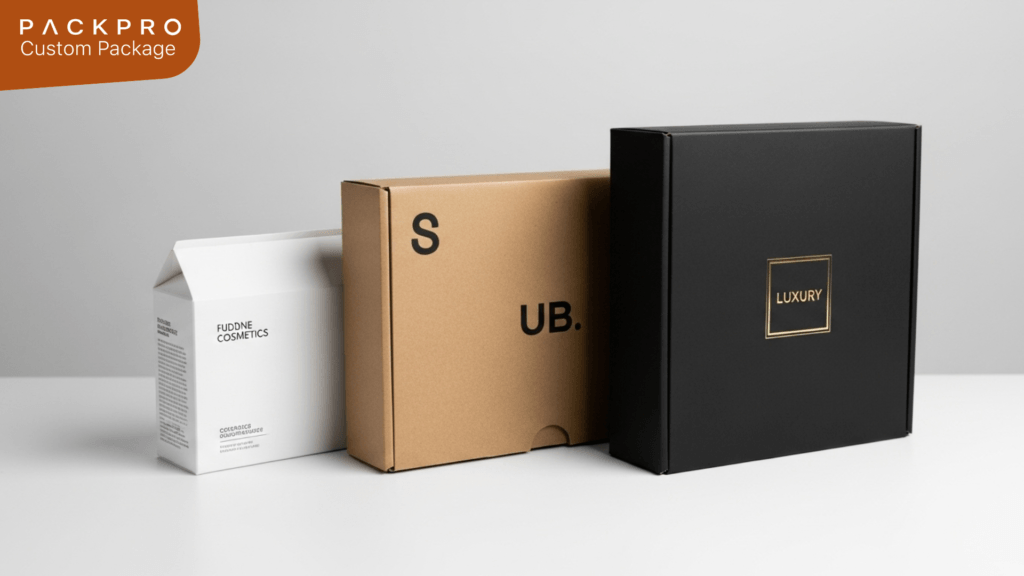
As an experienced custom packaging manufacturer, we understand that budgeting is a critical step in bringing your product to market. This guide provides a transparent breakdown of all the variables that determine your final custom box pricing. We will explore each cost factor in detail, from raw materials to final delivery, so you can make informed decisions for your brand.
Decoding the 7 Key Drivers of Custom Packaging Cost
Understanding the components of your quote is the first step toward optimizing your budget. The price you pay is a sum of several distinct production stages. Let’s break them down.
1. Material Costs: The Foundation of Your Box
The material you choose is the single largest contributor to the cost of custom boxes. It determines the box’s structure, durability, and perceived value.
- Folding Carton: Made from paperboard, folding cartons are lightweight, versatile, and cost-effective. They ship flat, which reduces shipping and storage costs. This material is ideal for retail products like cosmetics, food items, and pharmaceuticals. We offer a comprehensive folding carton styles guide to help you explore the options.
- Corrugated Cardboard: Known for its strength and protective qualities, corrugated is made of fluted paper sandwiched between linerboards. It’s the standard for shipping boxes but can also be used for retail-ready packaging. Its cost is moderate, sitting between folding cartons and rigid boxes.
- Rigid Board (Greyboard): This is the premium option. Made from highly condensed paperboard, rigid boxes are exceptionally durable, don’t collapse, and exude luxury. They are often used for high-end products like electronics, jewelry, and luxury gift sets. The rigid box cost is significantly higher due to material expense and the labor-intensive manufacturing process.
2. Printing and Color: Bringing Your Brand to Life
The method used to apply your artwork to the box directly influences the custom box pricing.
- Digital Printing: This method works like a desktop printer, applying ink directly onto the packaging material. It’s ideal for small runs and projects requiring variable data (e.g., different designs in one batch). It has minimal setup costs, making it a great choice for a low minimum order quantity packaging run.
- Offset Printing: This technique involves transferring ink from metal plates to rubber blankets and then onto the box material. The setup cost is higher due to the creation of these plates, but the per-unit cost becomes much lower on large volume orders (typically 1,000+ units). Offset printing provides superior color consistency and image quality, especially for Pantone (PMS) color matching.
- CMYK vs. Pantone (PMS): CMYK uses four colors (Cyan, Magenta, Yellow, Key/Black) to create a full spectrum of colors. It’s standard for photographic images. Pantone colors are pre-mixed, specific ink formulas that ensure absolute brand color consistency across all printing jobs. Using multiple PMS colors will increase your cost more than a standard CMYK print.
3. Special Finishes and Embellishments
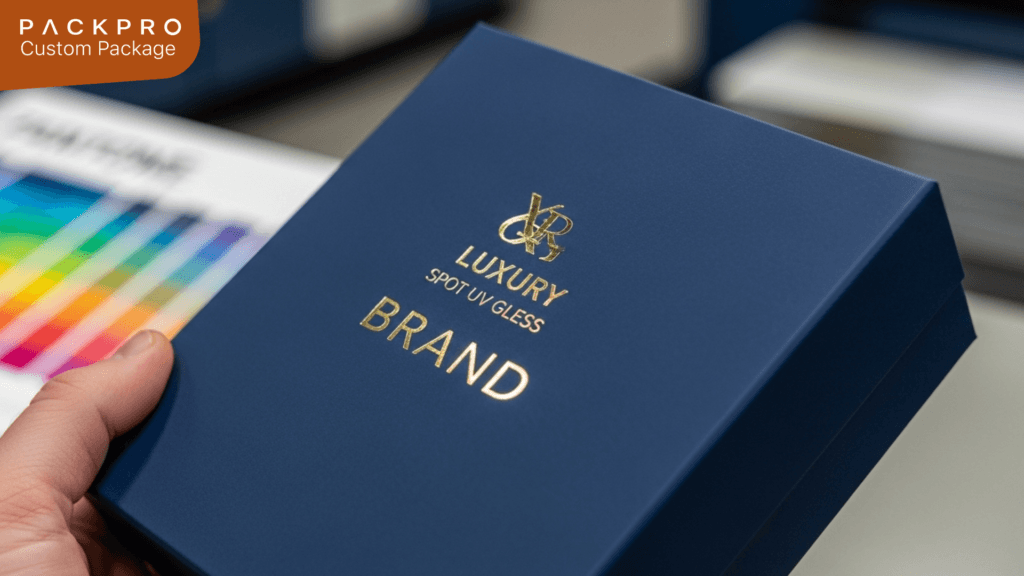
Finishes add a tactile and visual appeal that elevates your brand, but they also add to the packaging manufacturing cost.
- Lamination (Matte/Gloss): A thin film applied to the surface for protection and a premium feel.
- Foil Stamping: Applying metallic or pigmented foil to create a shiny, eye-catching effect.
- Embossing/Debossing: Creating a raised (embossed) or indented (debossed) design for a 3D texture.
- Spot UV: Applying a high-gloss varnish to specific areas of the design to make them stand out.
- Custom Inserts: Foam, paperboard, or molded pulp inserts that hold products securely will add to the overall cost.
Each of these processes requires a separate machine run and often a custom tool, increasing both labor and setup charges.
4. Box Size and Structural Complexity
It’s simple: a larger box uses more material and therefore costs more. However, structural complexity is also a major factor. A standard rectangular box is far less expensive to produce than a box with intricate die-cuts, unique openings, or a multi-part assembly. Complex designs require more sophisticated tooling (cutting dies) and may involve manual assembly, increasing labor costs.
5. Minimum Order Quantity (MOQ) and Order Volume
The principle of economy of scale is central to packaging pricing. The higher your order quantity, the lower your per-unit cost. This is because setup costs—for creating printing plates and cutting dies—are spread across a larger number of boxes.
A low minimum order quantity packaging run (e.g., 250 units) will have a much higher per-unit price than an order of 5,000 units. A custom packaging manufacturer has to account for the fixed setup time and tooling costs regardless of the order size.
6. Tooling and Die-Cut Charges
For every new custom box structure, a “cutting die” must be created. This is a custom tool, like a cookie-cutter, made of steel blades set in wood that cuts and scores the paperboard into the box’s flat shape. This is typically a one-time fee for a new project, ranging from a few hundred to several thousand dollars depending on complexity. While this cost is amortized into your total order, it’s a necessary upfront investment for creating a truly custom shape.
7. Shipping and Logistics
Finally, the cost of getting the boxes from our factory to your facility must be considered.
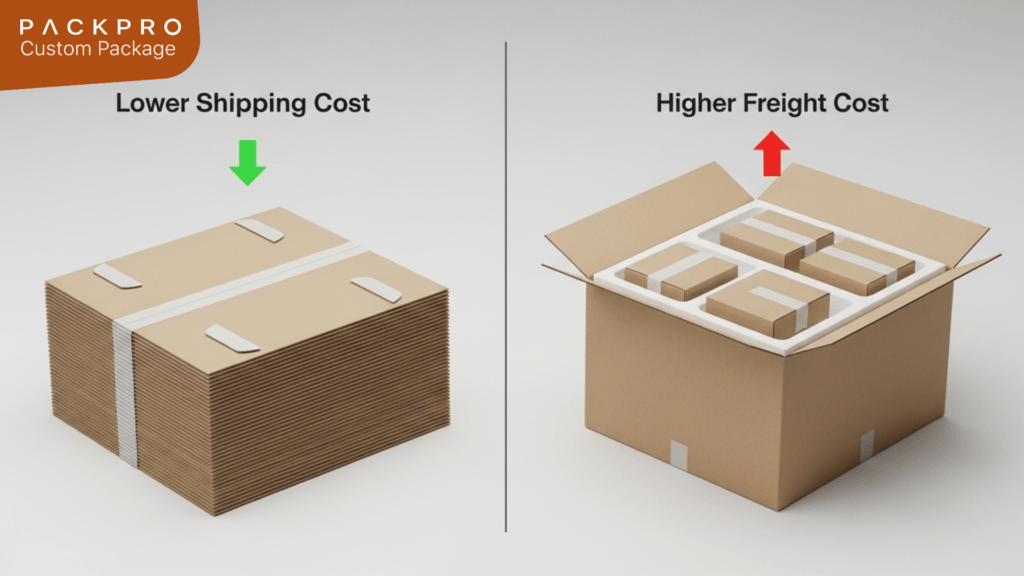
- Shipping Flat vs. Assembled: Folding cartons and unassembled corrugated boxes ship flat, taking up less space and costing less. Assembled rigid boxes are bulky and require more protective packing, which significantly increases freight costs.
- Weight and Destination: The total weight of the shipment and the distance it needs to travel are primary factors in the final shipping price.
Custom Packaging Cost Comparison Table
To give you a clearer picture, here is a general comparison of the most common box types. Prices are illustrative and will vary based on your specific project details.
| Box Type | MOQ Range | Average Cost Per Unit | Production Time | Best For |
| Folding Carton | 500 – 1,000+ | $1.00 – $4.50 | 2-4 Weeks | Retail goods, cosmetics, food, lightweight products. |
| Corrugated Mailer | 250 – 500+ | $2.50 – $8.00 | 2-4 Weeks | E-commerce shipping, subscription boxes, gift kits. |
| Rigid Box | 500 – 1,000+ | $5.00 – $25.00+ | 4-8 Weeks | Luxury goods, electronics, high-end gifts, perfume. |
For brands in the high-end market, exploring options in luxury perfume packaging can provide further inspiration on how premium materials justify a higher price point.
How to Reduce Custom Packaging Costs Without Lowering Quality
Optimizing your budget doesn’t mean you have to settle for a generic box. As your manufacturing partner, we can help you find savings.
- Increase Your Order Quantity: This is the most effective way to lower your per-unit cost. If you have the storage space and are confident in your sales forecast, ordering more at once provides significant savings.
- Simplify Your Structural Design: While unique shapes are appealing, a more standard box style can reduce or eliminate tooling costs and speed up production. We can often create a premium feel through graphics and finishes rather than a complex structure.
- Optimize Your Printing: Limit the number of Pantone colors. A well-designed CMYK print can be just as impactful and more cost-effective. For smaller runs, digital printing can save you from the high setup costs of offset.
- Choose Materials Wisely: Do you need a 2mm thick rigid board when a 1.5mm board would suffice? Could a high-quality folding carton with a premium finish achieve the luxury feel you want for a lower cost than a rigid box?
- Plan Ahead: Rush orders disrupt production schedules and incur extra fees. By planning your packaging needs several months in advance, you avoid these charges and allow for more cost-effective shipping methods (like sea freight vs. air freight).
- Consider Sustainable Options: Sometimes, choosing eco-friendly materials can also be budget-friendly. Options like Kraft paperboard or materials with high recycled content can be less expensive than highly bleached or virgin boards. Check out our sustainable packaging guide for ideas.
Frequently Asked Questions About Custom Packaging Costs
We’ve compiled answers to the most common questions brand owners ask about budgeting for custom packaging.