
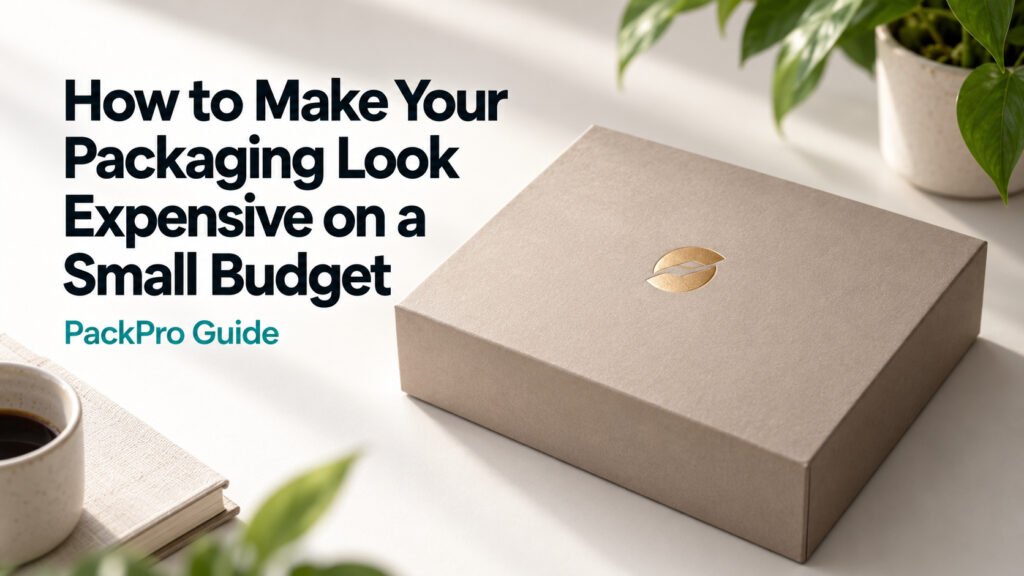
Expensive-looking packaging and expensive packaging aren’t the same thing. A surprising amount of what reads as “premium” comes down to a handful of specific, low-cost design decisions — not a bigger budget. Here’s where to actually spend, and where you can skip it.
1. Weight Matters More Than Price
Heavier paperboard, measured in GSM, is one of the cheapest ways to make a box feel expensive — the extra weight and rigidity in someone’s hand reads as quality almost instantly, often before they’ve even looked at the print. Going from a light 250 GSM stock to something in the 350–400 GSM range costs relatively little per unit but changes the entire physical impression.
2. One Good Finish Beats Three Mediocre Ones
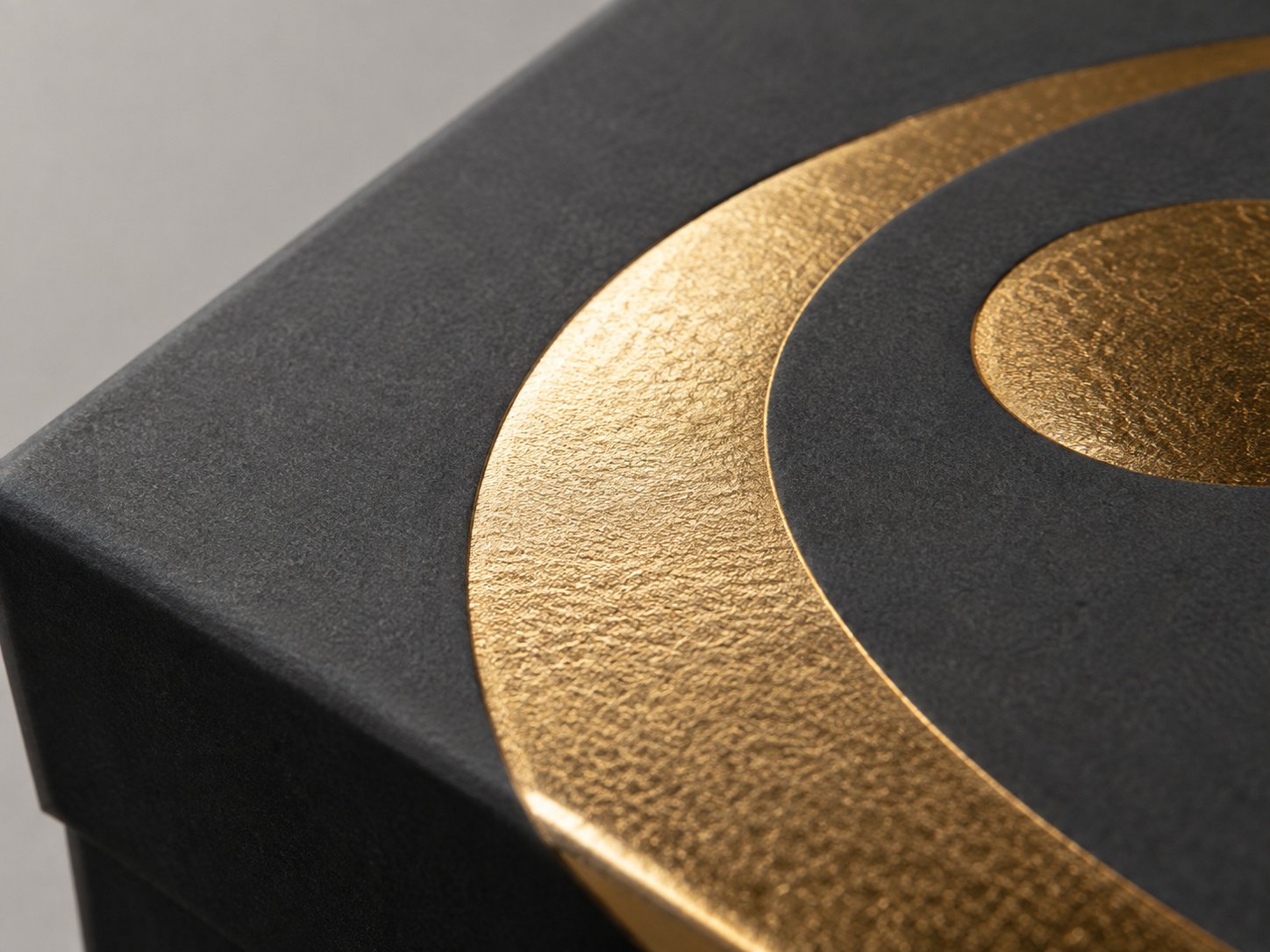
Foil stamping, embossing, spot UV, soft-touch matte lamination — each one adds cost, and stacking all of them on a tight budget usually means each finish gets executed cheaply. A single, well-placed foil logo on an otherwise clean matte box almost always looks more expensive than four finishes competing for attention.
3. Negative Space Is Free
Cramming a box with logos, taglines, and claims is a habit brands fall into when they’re not confident the design alone communicates quality. Premium packaging, almost without exception, uses more empty space than budget packaging — restraint doesn’t cost anything extra to print, and it’s one of the strongest visual signals of a considered, confident brand.
4. Match Structure to Product, Not Just Print to Product
A snug-fitting box with barely any rattle room reads as intentional and engineered. A box that’s noticeably too big for what’s inside — even with great print — reads as an afterthought, no matter how nice the graphics are. If budget forces a choice between upgrading print finish and getting the box size exactly right, size wins.
5. Interior Color Is an Underused, Cheap Upgrade
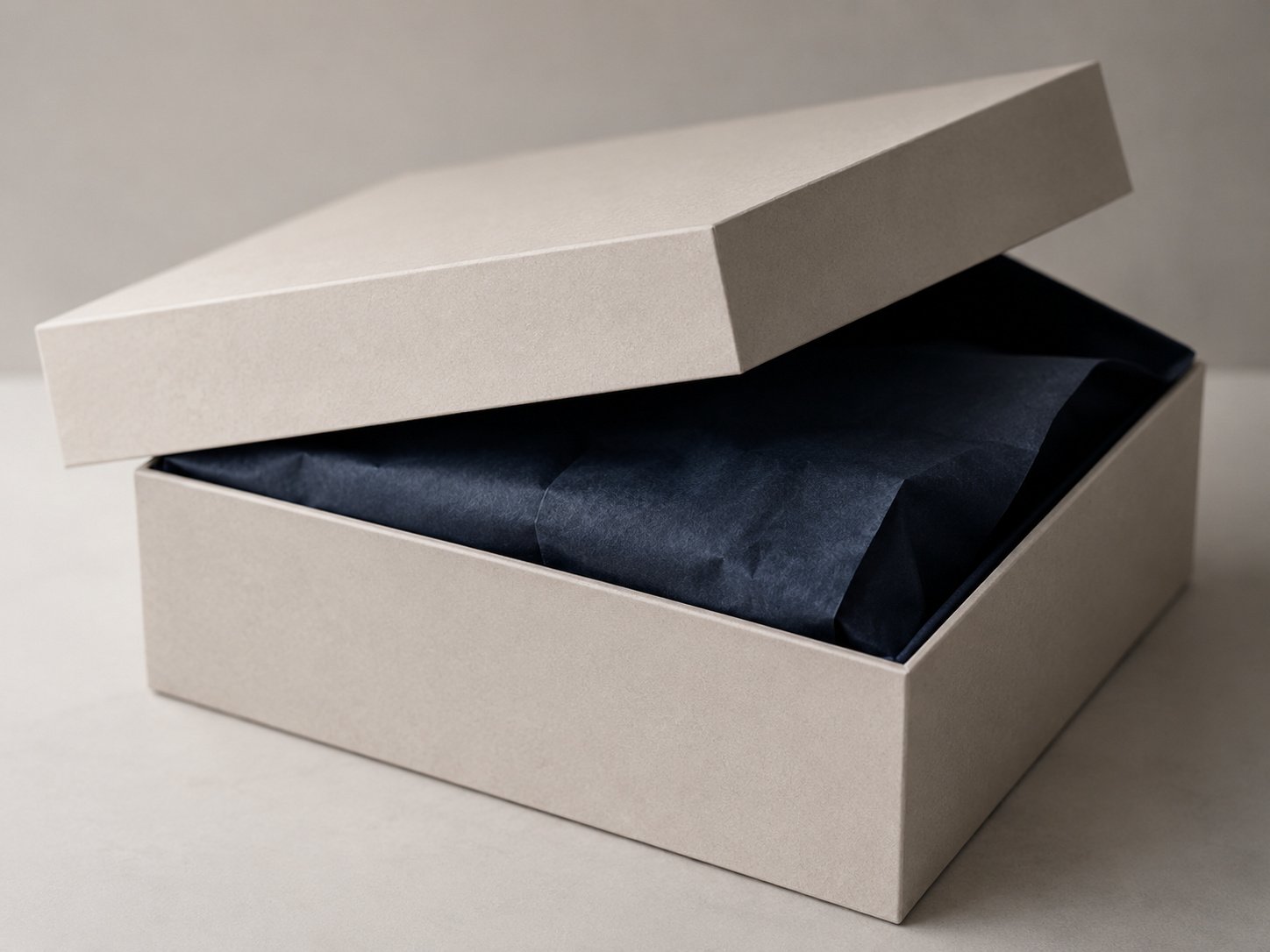
A colored or printed interior — a black or navy inner lining instead of plain uncoated board — is one of the lowest-cost ways to create a genuine premium unboxing moment, since it’s a surprise the customer only sees once they open the box, often at little to no cost difference over a plain interior.
6. Consistent Pantone Color Beats Fancy Finishes
Nothing undercuts a premium impression faster than brand colors that shift between your website, your social media, and your box. Locking in exact Pantone codes, rather than leaving color matching to CMYK approximation, costs nothing extra and is the difference between a box that looks on-brand and one that looks close enough.
7. A Tactile Detail Costs Less Than People Assume
A ribbon pull tab, a debossed texture, a soft-touch coating on just the lid — a single tactile element, chosen deliberately, tends to cost far less than people expect and creates a physical interaction most budget packaging skips entirely.
What to Skip When the Budget Is Tight
- Multiple simultaneous finishes on one box — pick one
- Full-coverage foil — a small, precise foil logo reads more premium than a large foiled area, and costs less
- Oversized boxes with excess void space
- Custom shapes or structural die-cuts, which carry real tooling costs — a standard structure executed well beats a custom structure executed cheaply
Frequently Asked Questions
What’s the single highest-impact upgrade on a limited budget?
Paperboard weight (GSM). It changes how the box feels in someone’s hands before they’ve even registered the print design, and the cost increase per unit is usually modest.
Does full-color printing look cheaper than spot color?
Not inherently — it depends on execution. A clean, well-matched one- or two-color design often reads as more premium than a busy full-color design, at a lower cost.
Is matte or gloss lamination more premium?
Matte, especially soft-touch matte, is more commonly associated with premium and luxury packaging today; gloss reads as more commercial or budget in most categories, though it depends on your brand positioning.
Can low-MOQ orders still get premium finishes?
Yes, though some finishes, like extensive foil coverage or custom structural dielines, have minimum run requirements to be cost-effective. A supplier who works with low MOQs can tell you which finishes make sense at your quantity.
Get Premium Finishes Without a Premium Minimum
PackPro produces foil stamping, embossing, soft-touch lamination, and custom interior color at MOQs starting around 1,000 units. Request a free quote today — we respond within 24 hours.
Get a Free Quote → packpropkg.com/contact
Related Guides
- GSM guide — What Is GSM in Packaging? Paperboard Thickness Guide
- Cost breakdown — Custom Packaging Cost Breakdown: How Much Do Custom Boxes Really Cost?
- Choosing a manufacturer — How to Choose a Custom Packaging Manufacturer in China: A Buyer’s Checklist