
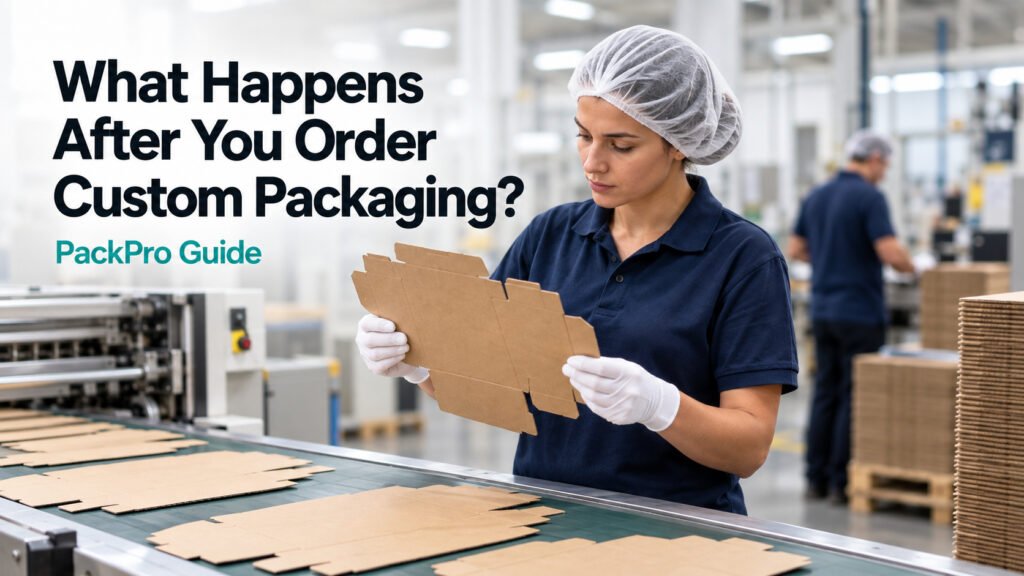
You’ve paid the deposit. Now what? This is the part of custom packaging nobody explains clearly, and it’s exactly when first-time buyers start refreshing their inbox wondering if anything is actually happening on the other end. Here’s what’s really going on behind the scenes, milestone by milestone.
Right After Your Deposit Clears
Nothing dramatic happens immediately, and that’s normal. Your supplier is finalizing the production file from your approved sample, scheduling your run into the factory’s production queue, and ordering the specific paperboard, ink, and finishing materials your job needs. This administrative stage typically takes a few days and doesn’t produce anything visible yet, which is exactly why it can feel like silence.
Production Actually Starts
Printing happens first — your artwork gets printed onto full sheets of board before anything is cut or folded. Then die-cutting shapes each piece to your dieline, followed by any finishing (lamination, foil stamping, embossing), and finally folding and gluing into finished boxes. A good supplier will send photos or a short video at this stage if you ask, though not all will do it unprompted — it’s worth requesting if seeing progress matters to you.
Quality Control Before Anything Ships
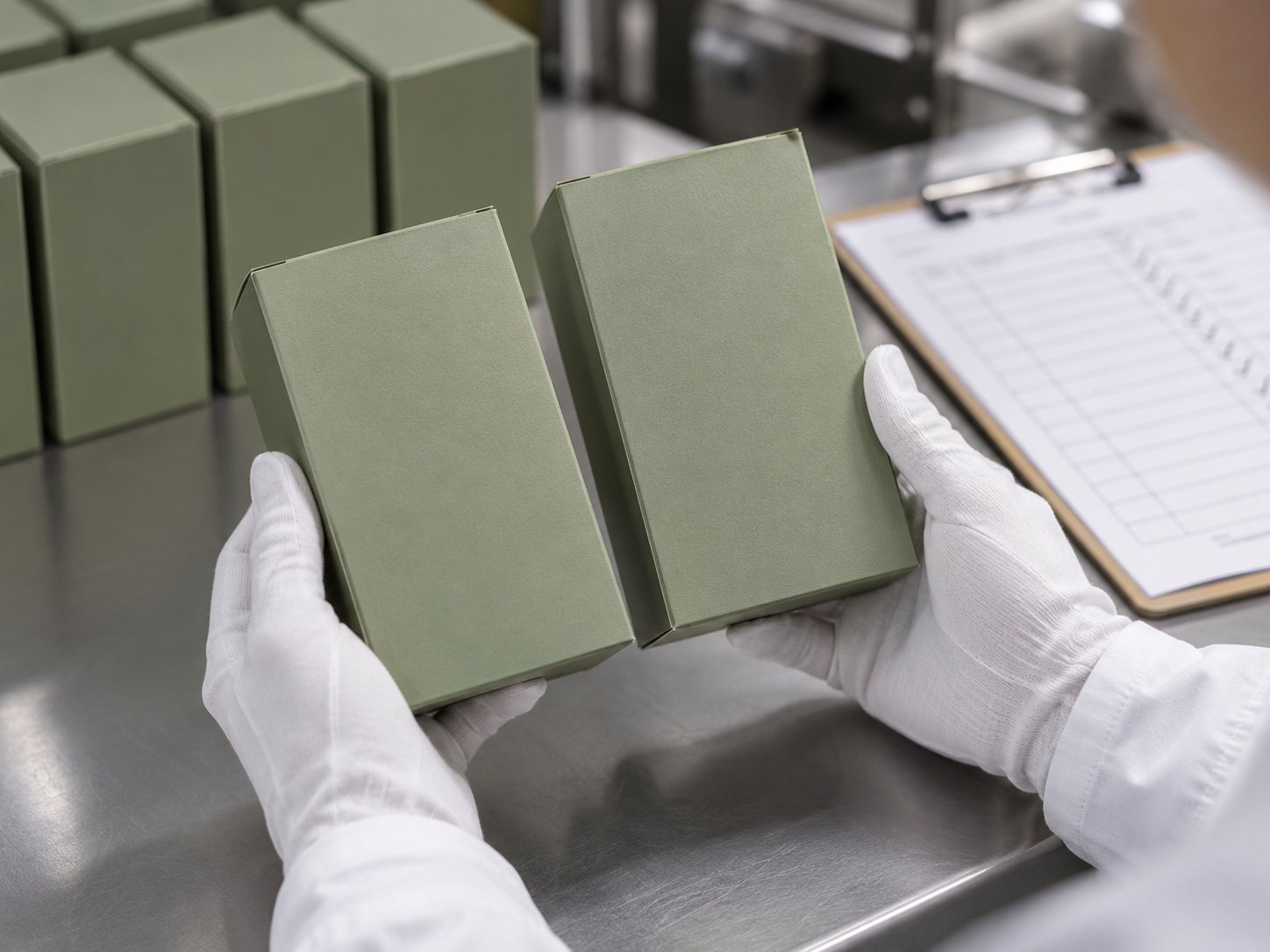
Before your order leaves the factory, it should go through inspection — checking color consistency against your approved sample, verifying dimensions, and confirming finish quality across a sample of the run, not just the first few units off the line. This is also the stage where a supplier would catch and flag a batch that doesn’t match spec, rather than shipping it and hoping you don’t notice.
Shipping and the Waiting Period
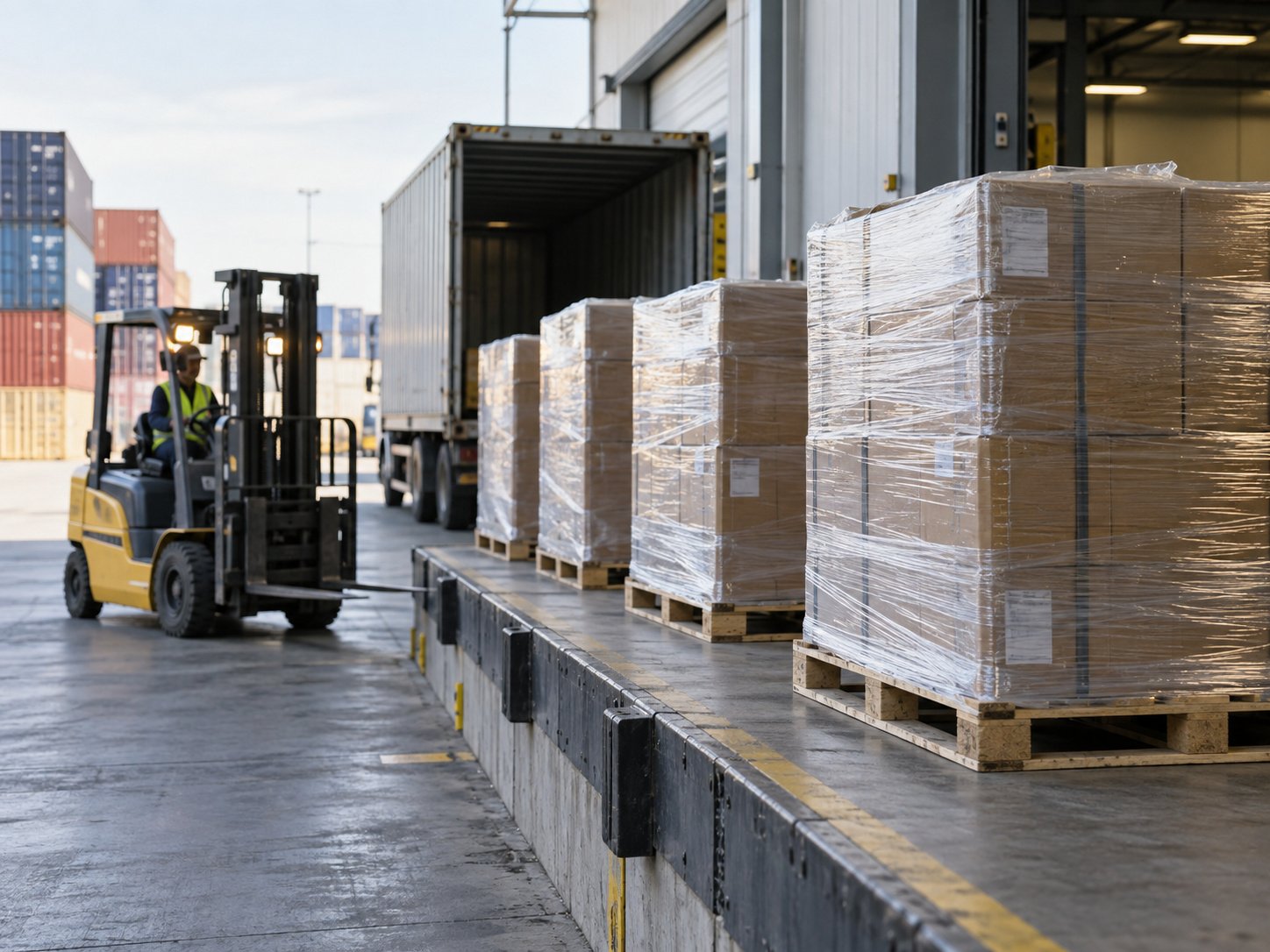
Once your order clears QC, it’s packed for freight and handed to a forwarder. This is usually the longest single stretch of the whole process, especially by sea, and it’s also the stage with the least visible activity from your end — your boxes are simply in transit. A tracking number at this point is worth asking for if your supplier hasn’t already provided one.
Customs Clearance
Depending on your shipping terms (FOB, EXW, or DDP), either you or your supplier handles customs clearance at the destination. This step can add anywhere from a day to over a week depending on documentation completeness and how busy the port is — it’s the stage most likely to introduce an unplanned delay, and usually the least communicated one unless you specifically ask for updates.
Delivery and the First Real Check
When boxes arrive, resist the urge to just sign for the pallet and move on. Open a few units from different parts of the shipment, not just the top layer, and compare them against your approved sample — color, dimensions, finish, and structural integrity. Catching an issue here, while the order is still fresh, is far easier to resolve than discovering it weeks later once product has already been packed inside.
What to Do If Something’s Off
Document the issue with clear photos immediately, referencing your approved sample directly, and raise it with your supplier right away rather than waiting to see if it’s a small batch or the whole order. A supplier confident in their QC process will typically want to know quickly too — it’s in their interest to catch and address a production issue before it recurs on a future run.
Frequently Asked Questions
How will I know my order is actually being made and not forgotten?
Ask for milestone updates upfront — proof approved, production started, QC complete, shipped — so you’re not left guessing. A supplier who won’t commit to any check-ins at all is worth following up with directly.
What’s the most likely stage for a delay?
Customs clearance and the shipping stage itself, simply because they involve parties beyond your supplier’s direct control. Production delays do happen too, most often around factory peak seasons like the run-up to Chinese New Year.
Should I inspect every single box on arrival?
Not every unit, but a meaningful sample pulled from different parts of the shipment, not just the top of the pallet, gives a realistic read on whether the whole order matches your approved sample.
What if the delivered boxes don’t match my sample?
Document it with photos immediately and contact your supplier before doing anything else with the shipment. Most legitimate suppliers will investigate and offer a remedy for a genuine batch discrepancy.
Know Exactly Where Your Order Stands
PackPro provides milestone updates at every stage of production, from proof approval to shipment, so you’re never left guessing. Request a free quote today — we respond within 24 hours.
Get a Free Quote → packpropkg.com/contact
Related Guides
- Ordering online — How to Order Custom Packaging Online: A Step-by-Step Guide
- Production timeline — How Long Does Custom Packaging Take? Production Timeline Explained
- Testing & QC standards — Packaging Testing Standards & Certifications: What Brands Must Know Before Production