
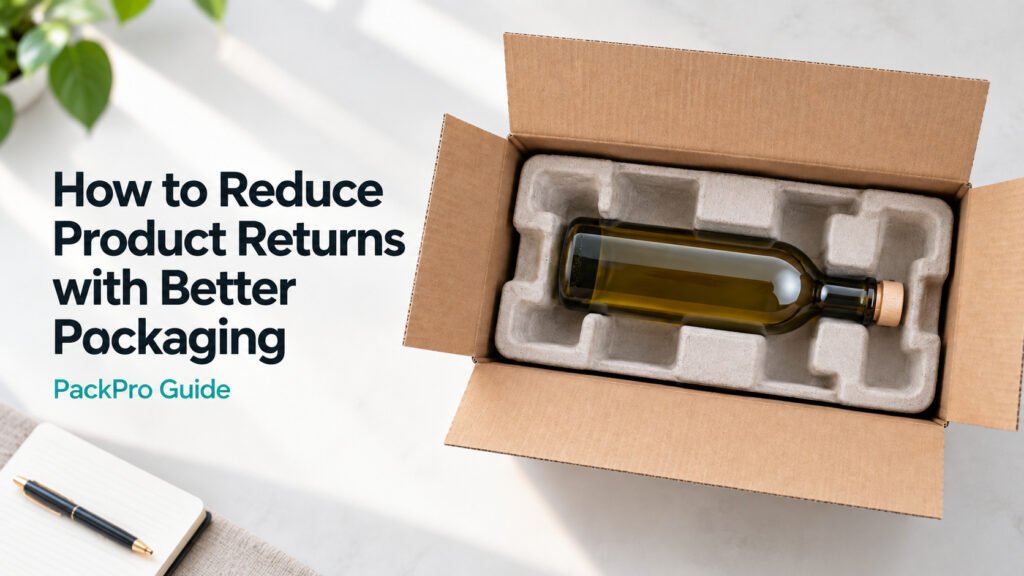
Packaging gets blamed for return-rate problems less often than it should be, mostly because it’s easy to point at the product itself instead. But a meaningful share of returns trace back to packaging that damaged the product in transit, left instructions unclear, or simply arrived looking unimpressive enough that a borderline customer decided to send it back. Here’s where packaging actually moves the needle on returns.
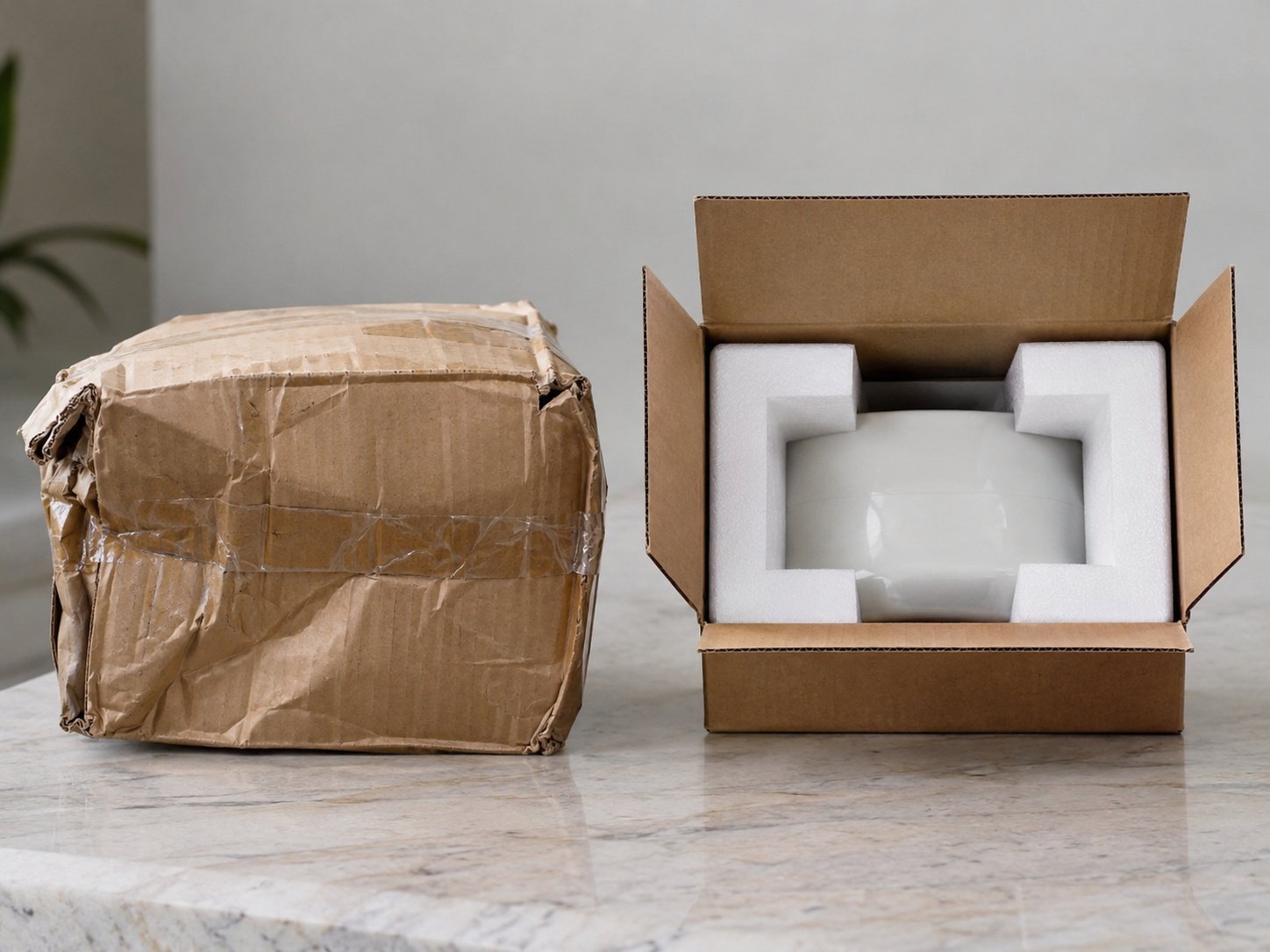
Damage in Transit Is the Obvious One — and Still Underrated
A cracked, dented, or crushed product is an automatic return, and the cost isn’t just the refund — it’s the reverse shipping, restocking labor, and often the product itself being unsellable afterward. If a specific SKU has an unusually high return rate, transit damage is one of the first things worth checking before assuming it’s a product-quality problem.
Undersized or Loose-Fitting Packaging Causes More Damage Than People Expect
A box that’s too big for its contents lets the product shift and impact the walls repeatedly during transit, which causes more damage over a long shipping route than a snug, correctly sized box would. This is often an easy fix — resizing a box or adding a simple insert to eliminate movement addresses a surprising share of damage-related returns without changing the product at all.
Protective Inserts Matter More for Some Categories Than Others
Glass, ceramics, electronics, and anything liquid need dedicated internal protection — molded pulp trays, foam inserts, or corrugated dividers — not just a snug box. Skipping this to save a small amount per unit tends to cost far more in returns and replacement shipments than the insert would have.
Unclear or Missing Instructions Drive “Buyer’s Remorse” Returns
Some returns have nothing to do with damage — a customer simply doesn’t understand how to use the product and gives up. A clear insert card with setup instructions, care guidance, or usage tips heads off a category of return that has nothing to do with the product’s actual quality.
First Impressions Affect Return Decisions More Than Brands Assume
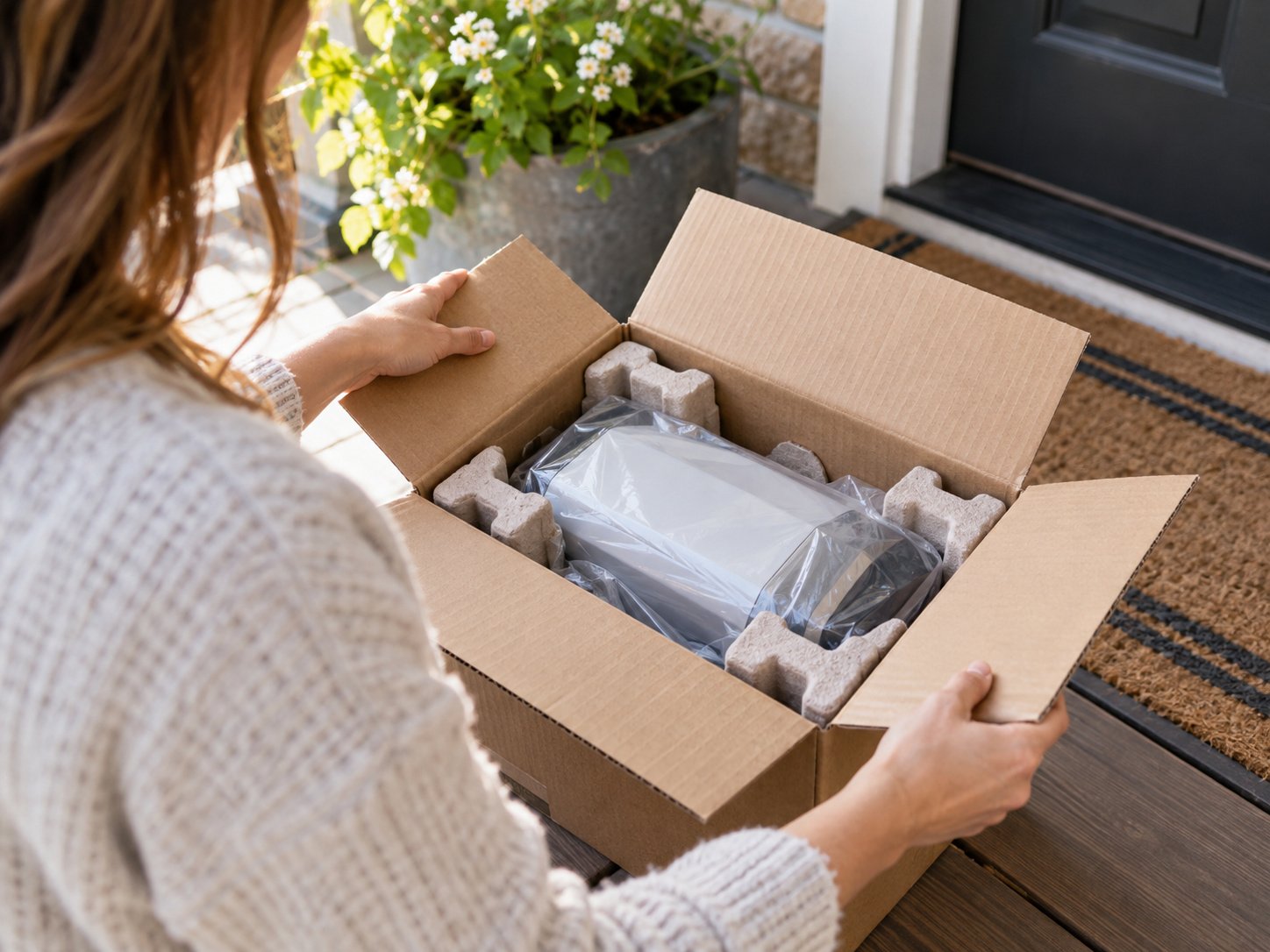
A customer who receives a product in packaging that feels cheap or careless is measurably more likely to scrutinize the product itself for flaws and send it back on a borderline call. The reverse is also true — packaging that feels considered and premium tends to make a customer more forgiving of a minor product issue that might otherwise trigger a return.
Sizing for the Carrier Network, Not Just the Product
A box that’s an awkward shape or size for standard parcel handling gets thrown, dropped, and stacked less carefully than one that moves cleanly through a sorting facility. Structural design that accounts for how carriers actually handle packages, not just how the product looks on a shelf, reduces the rough handling that leads to damage in the first place.
What to Actually Check First
If returns are a real problem, start by pulling the return reasons for your highest-return SKUs and separating them into damage-related versus everything else. Damage-related returns point directly at box sizing and protective inserts. Non-damage returns citing “not as expected” or similar reasons are more often a presentation or instructions issue than a packaging integrity one.
Frequently Asked Questions
How much of my return rate is actually caused by packaging?
It varies a lot by product category, but transit damage and sizing-related shifting are common enough that they’re worth ruling out before assuming a return rate reflects a product defect.
Do protective inserts add significant cost per unit?
Usually a modest amount relative to the cost of a return — restocking, reverse shipping, and lost product often exceed the cost of the insert that would have prevented it.
Can packaging really reduce non-damage returns?
Yes, indirectly — clear instructions and a considered unboxing experience reduce confusion-driven returns and make customers more forgiving of minor product issues.
What’s the fastest first step if I’m seeing high returns on one product?
Order a sample of your current packaging shipped to yourself or a colleague through a normal parcel route, and inspect it on arrival exactly as a customer would. It’s often the fastest way to spot an obvious sizing or protection gap.
Get Packaging Engineered to Protect, Not Just Print
PackPro designs box structure and protective inserts around how your product actually ships, not just how it photographs. Request a free quote today — we respond within 24 hours.
Get a Free Quote → packpropkg.com/contact
Related Guides
- Choosing a manufacturer — How to Choose a Custom Packaging Manufacturer in China: A Buyer’s Checklist
- Testing & QC standards — Packaging Testing Standards & Certifications: What Brands Must Know Before Production
- Collapsible box cost breakdown — Collapsible Boxes vs. Traditional Rigid Boxes: The Real Shipping & Storage Cost Breakdown