

One of the most common decisions brands face when designing custom packaging is the finish — and the debate almost always comes down to matte vs. gloss. Both are popular, both look great in the right context, and both serve different purposes depending on your product, audience, and brand identity.
This guide gives you a thorough breakdown of both finishes so you can make the right call for your packaging — and avoid a costly reprint.
What Is a Gloss Finish?
A gloss finish (also called gloss lamination or gloss coating) applies a shiny, reflective layer to the surface of your packaging. It creates a high-shine effect that makes colors appear more vibrant, images look more vivid, and the overall box feel polished and eye-catching.
Gloss finishes are applied either as a liquid coating (aqueous or UV) or as a thin laminated film bonded to the paper surface.
What Is a Matte Finish?
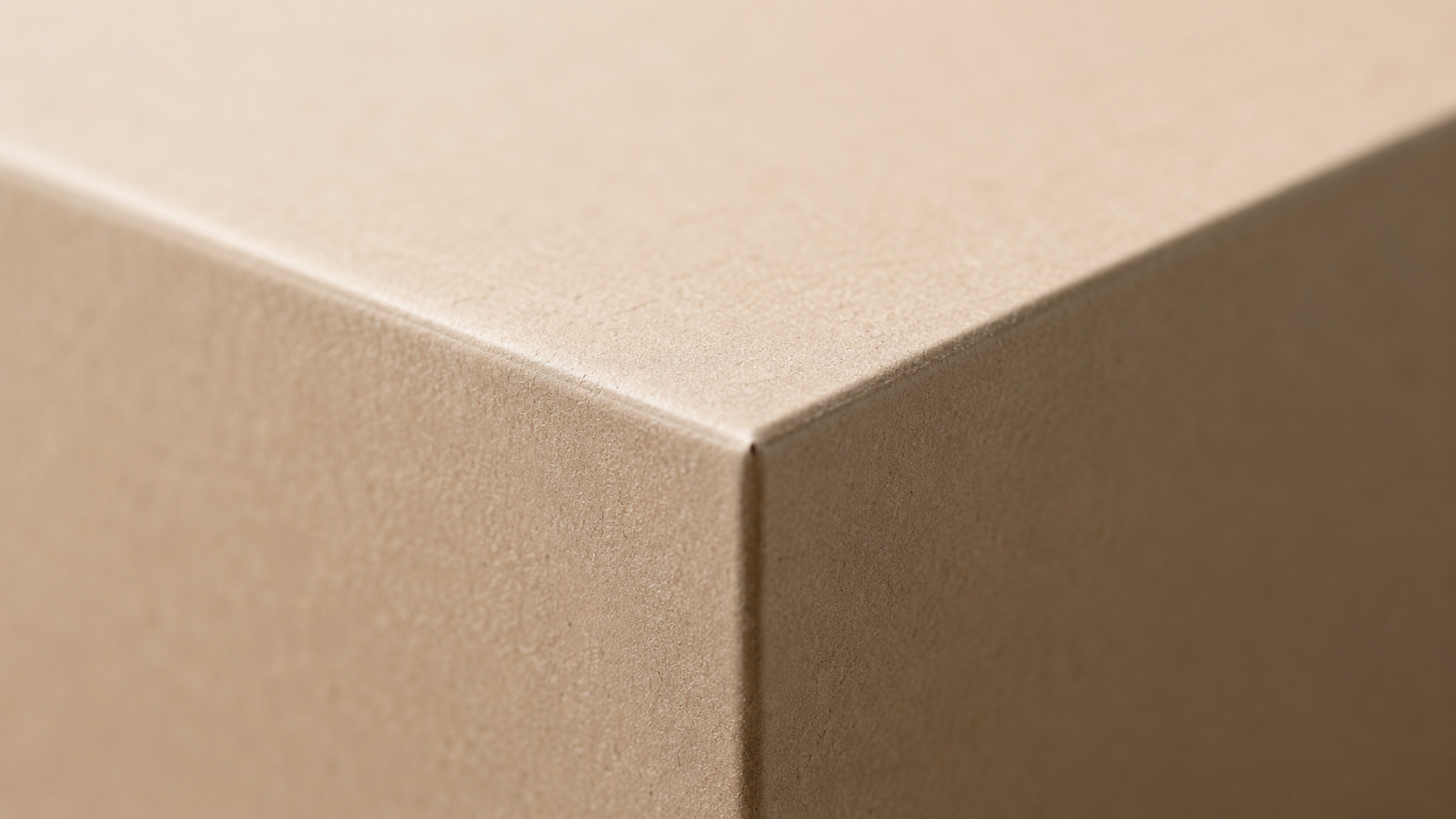
A matte finish applies a non-reflective, flat surface layer that absorbs light rather than bouncing it. The result is a smooth, understated, and sophisticated look that feels soft to the touch and reads as more refined and premium to many consumers.
Like gloss, matte finishes are available as both lamination film and liquid coating options. The finish also shifts your printed color; see how to get Pantone-accurate packaging printing.
Visual and Tactile Differences
| Property | Gloss Finish | Matte Finish |
|---|---|---|
| Appearance | Shiny, reflective | Flat, non-reflective |
| Color vibrancy | Very high | Slightly muted, deep |
| Texture feel | Smooth, slick | Soft, velvety |
| Fingerprint visibility | High (smudges visible) | Low (smudges hide) |
| Perceived quality | Bold, vibrant, premium | Refined, luxurious, understated |
| Readability of text | Good | Excellent |
Benefits of Gloss Finish Packaging
- High visual impact — Colors pop and images appear sharper, making gloss ideal for bright, colorful designs
- More durable surface — Gloss coatings add a harder protective layer that resists scuffing and moisture better than uncoated stock
- Cost-effective — Gloss lamination is generally the less expensive of the two options, especially for large printing runs
- Better for photography — Product photography and detailed imagery look their best with a gloss finish
- Popular for food packaging — The bright, vivid appearance makes products look fresh and appetizing
Benefits of Matte Finish Packaging
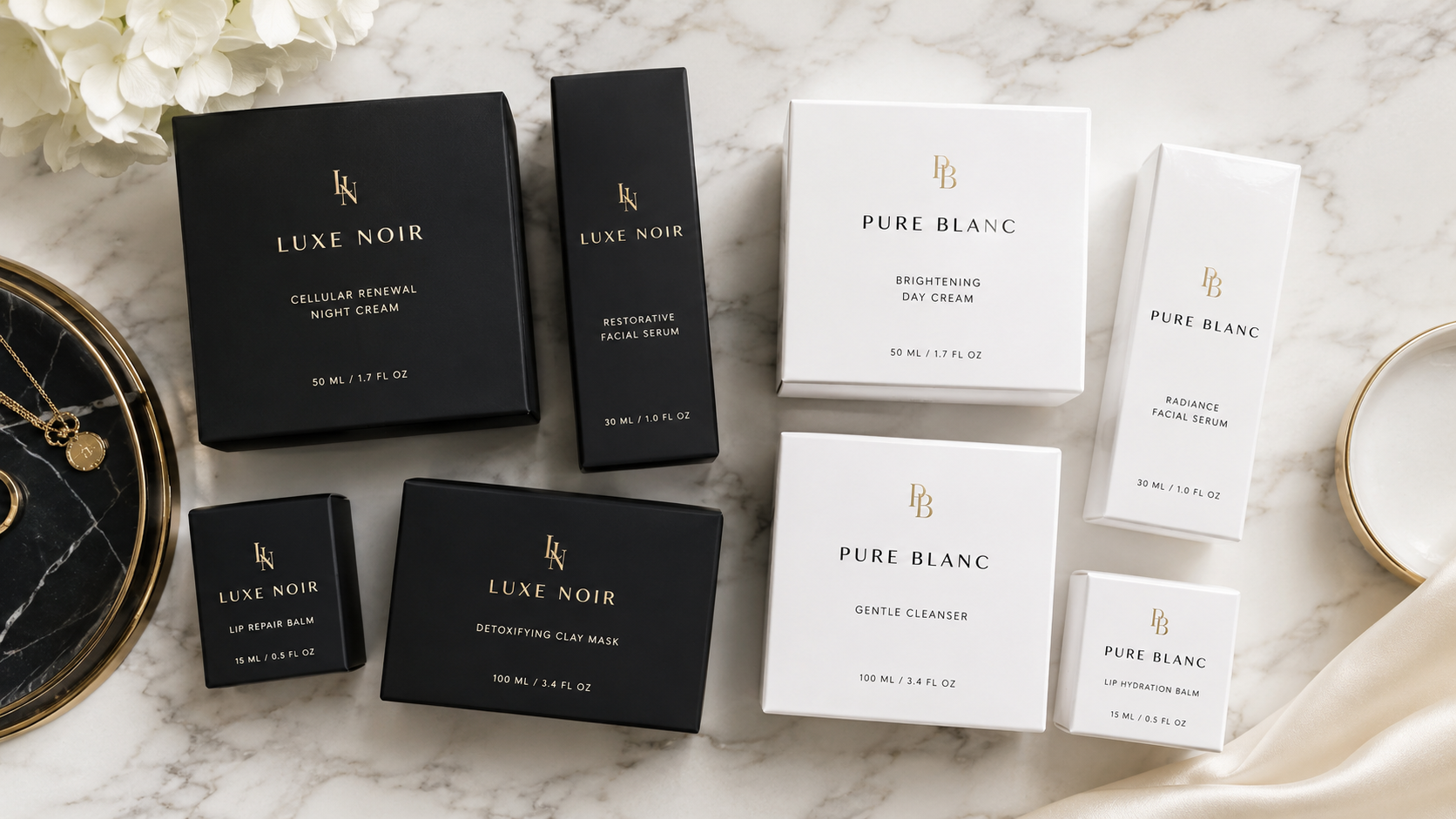
- Premium, sophisticated feel — Matte is widely associated with luxury and high-end products. It’s the finish of choice for premium cosmetics, perfumes, and boutique brands.
- Hides fingerprints and smudges — Matte surfaces are far more forgiving than gloss when handled repeatedly by customers or shelf staff
- Better readability — Text is easier to read on a matte surface because there’s no glare or reflection interfering with legibility
- More modern aesthetic — Matte finishes trend strongly in contemporary and minimalist packaging design
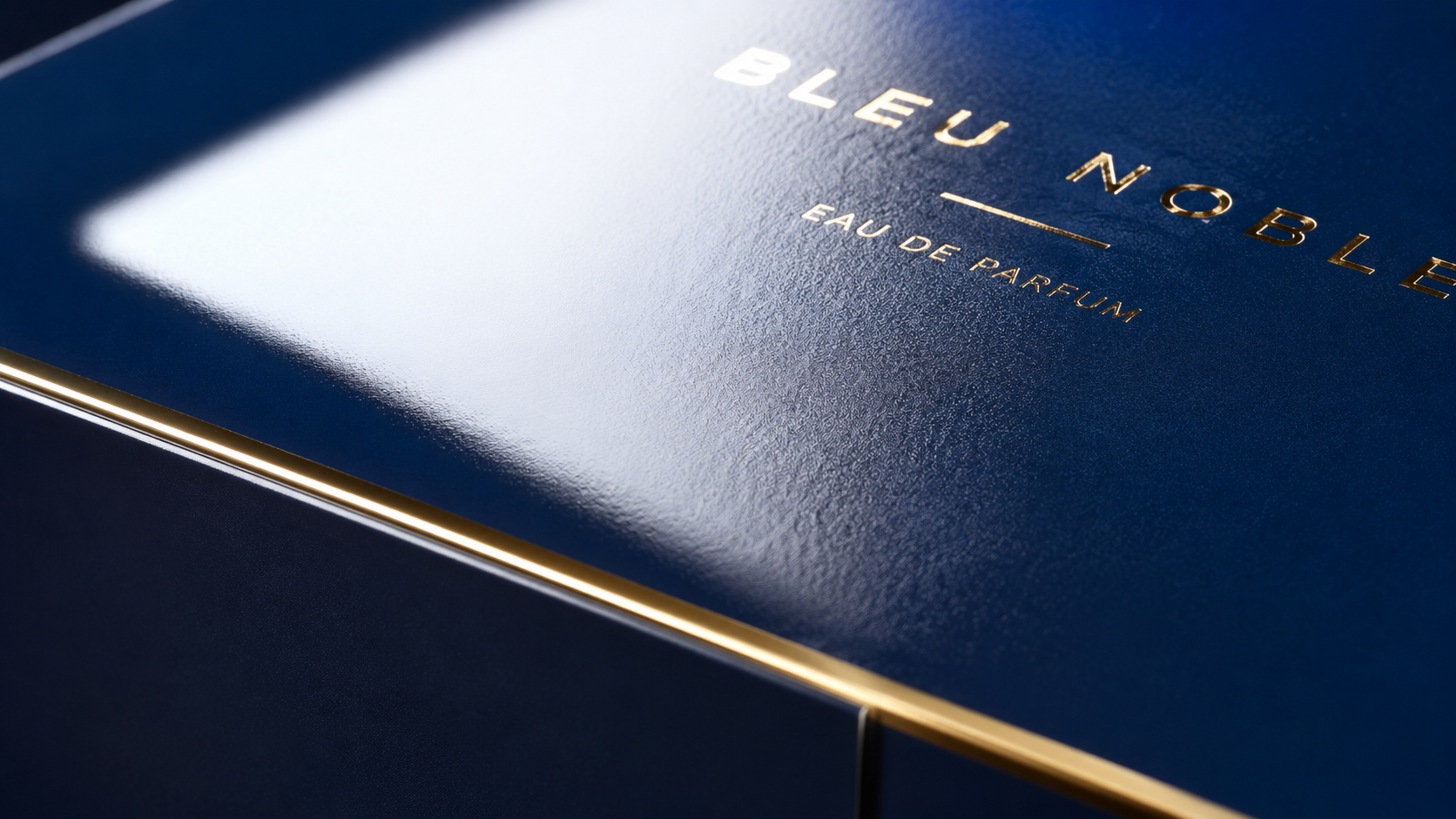
- Pairs beautifully with spot UV — Adding gloss spot UV highlights on a matte background creates a stunning contrast effect that catches the eye
Drawbacks to Consider
| Factor | Gloss | Matte |
|---|---|---|
| Scratch resistance | Moderate | Lower (can show marks) |
| Fingerprint visibility | High | Low |
| Cost | Lower | Slightly higher |
| Writing on surface | Difficult (pen doesn’t hold) | Easy |
| Appearance in poor lighting | Glare can wash out details | Consistent in any light |
Which Industries Favor Each Finish?
Gloss is commonly preferred by:
- Food and beverage brands
- Toy and game packaging
- Budget and mid-range consumer goods
- Brands with bold, photographic, colorful designs
- Pharmaceutical and nutraceutical products
Matte is commonly preferred by:
- Luxury cosmetics and perfume brands
- Premium spirits and wine
- High-end fashion and accessories
- Artisan and craft product brands
- Tech and lifestyle brands pursuing a minimalist image
Can You Combine Matte and Gloss?
Absolutely — and this is actually one of the most effective packaging design techniques available. The combination is called Spot UV on Matte:
- The overall box is matte laminated
- Selected areas (logos, patterns, key text) receive a high-gloss UV spot treatment
- The contrast between the dull matte and the shiny spot UV creates a dramatic, tactile effect
This technique is widely used in luxury packaging and can transform a standard printed box into something that feels truly exceptional.
Making the Final Decision
Ask yourself these questions before deciding:
- What’s my brand positioning? — Premium/luxury? Go matte. Bold/energetic? Go gloss.
- What colors dominate my design? — Bright, saturated colors benefit from gloss. Deep, dark, or neutral tones often look better in matte.
- How will the product be handled? — High-touch products benefit from matte’s smudge resistance.
- What’s the retail environment? — Bright retail lighting can cause gloss to glare. Boutique or low-light environments suit matte better.
- What’s my budget? — Gloss is slightly more affordable per unit on large runs.
Final Thoughts
There’s no universally “better” finish — both matte and gloss have their strengths, and the right choice depends entirely on your brand, product, and customer. Many brands even use both strategically across different product lines.
At PackPro, we offer full matte and gloss lamination, spot UV, and custom finish combinations on all our custom boxes. Talk to our design team to explore which finish will make your packaging stand out on the shelf.
Related Reading
- How Packaging Colors Influence Customer Decisions
- What Does Collate Mean in Printing?
- Box Templates Explained: How to Create and Use Them
Frequently Asked Questions
Is matte or gloss finish better for luxury packaging?
Matte finish is generally considered the superior choice for luxury packaging because its soft, non-reflective surface communicates refinement and sophistication. High-end cosmetics, perfumes, premium spirits, and fashion accessories almost universally favor matte lamination, often paired with spot UV or foil details to add selective shimmer without sacrificing the overall premium feel.
Does a gloss finish make packaging more durable?
Yes — a gloss lamination or coating adds a harder, more resilient protective layer to the surface of the packaging compared to uncoated stock. It provides better resistance to scuffing, moisture, and general handling wear, which is why it is frequently chosen for food packaging and products that are handled frequently in retail environments. Matte lamination, while softer in feel, offers slightly less scratch resistance.
What is spot UV and how does it work with matte packaging?
Spot UV is a finishing technique where a high-gloss UV coating is applied selectively to specific areas of the packaging — such as a logo, pattern, or headline — while the rest of the surface remains matte. The striking contrast between the dull matte background and the shiny raised UV areas creates a dramatic visual and tactile effect that is widely used in premium and luxury packaging to draw attention to key brand elements.
Which finish is better for packaging with lots of photography or colorful imagery?
Gloss finish is the better choice for packaging that features detailed photography or vibrant, saturated color artwork. The reflective surface amplifies color richness and image sharpness, making visuals appear more vivid and impactful on the shelf. This is why food and beverage brands, toy packaging, and consumer goods with photographic designs predominantly use gloss lamination.
Can I use different finishes on different parts of the same box?
Yes — combining finishes on the same box is an increasingly popular technique in premium packaging design. The most common approach is applying a full matte lamination to the entire box, then using spot UV gloss on selected elements like logos, borders, or patterns to create contrast and visual interest. Some brands also use soft-touch matte lamination combined with foil stamping for a multi-sensory luxury effect.