
Choosing between rigid and folding carton packaging is one of the most impactful decisions a brand can make. The wrong choice can mean higher costs, damaged products, or a packaging experience that simply doesn’t reflect your brand’s value. This guide cuts through the confusion and gives you a clear, practical breakdown of both formats so you can choose with confidence.
What Are Rigid Boxes?
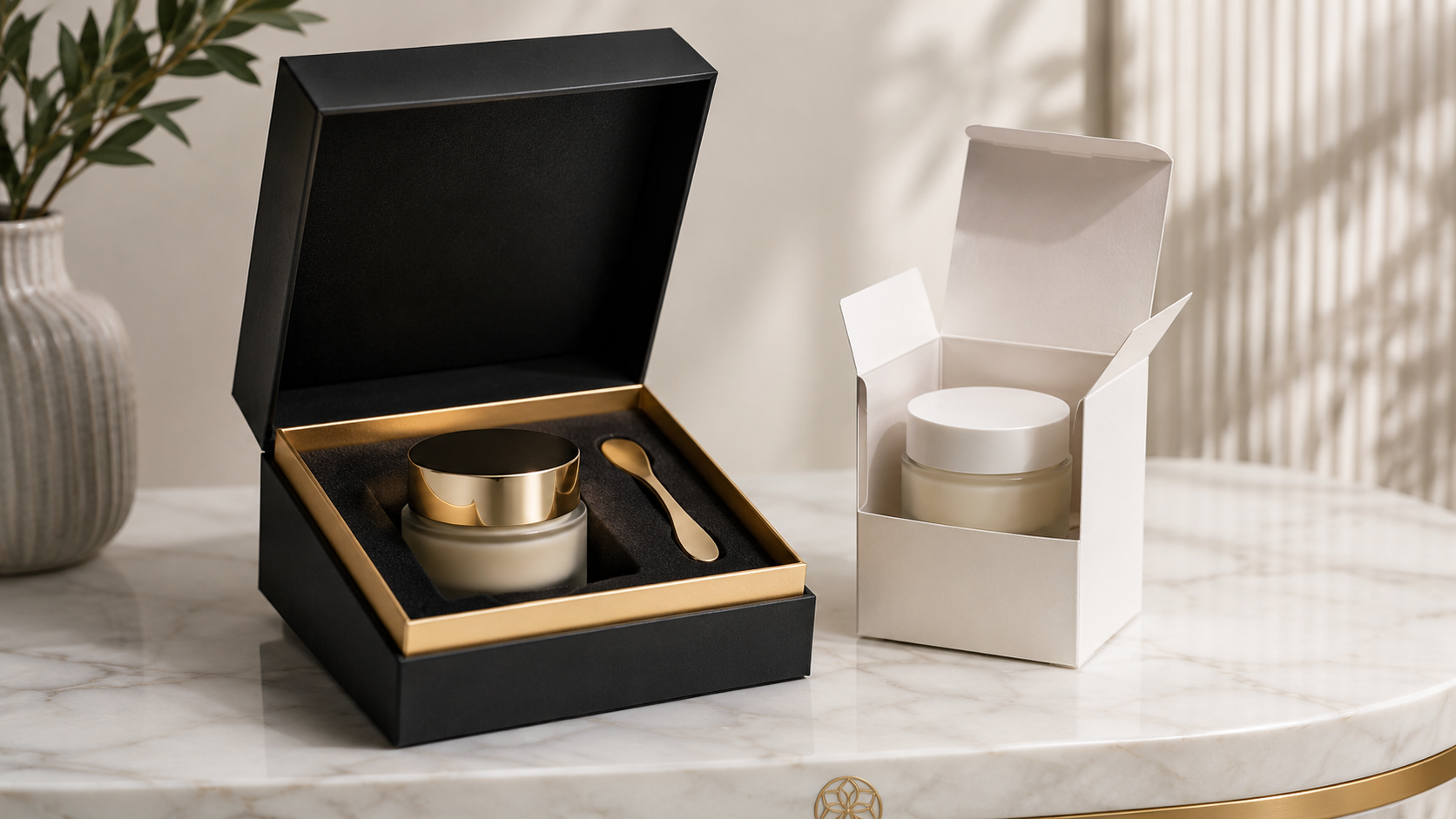
Rigid boxes — also called set-up boxes — are made from thick, dense greyboard (typically 1,200–3,000 gsm) wrapped in decorative paper or fabric. Unlike most packaging, rigid boxes do not fold flat. They hold their shape permanently, giving them a sturdy, premium feel the moment you pick one up.
You’ll find rigid boxes used for luxury watches, high-end perfumes, premium cosmetics, electronics, and gift sets where the unboxing experience is part of the product itself.
Common Rigid Box Styles
- Lift-off lid boxes — Classic two-piece design with a separate top and base
- Magnetic closure boxes — Snap shut with embedded magnets for easy opening
- Drawer/slider boxes — Inner tray slides out for a reveal effect
- Clamshell boxes — Hinged lid opens like a book or shell
- Collapsible rigid boxes — Flat-pack version that assembles easily, saving shipping cost
What Are Folding Carton Boxes?
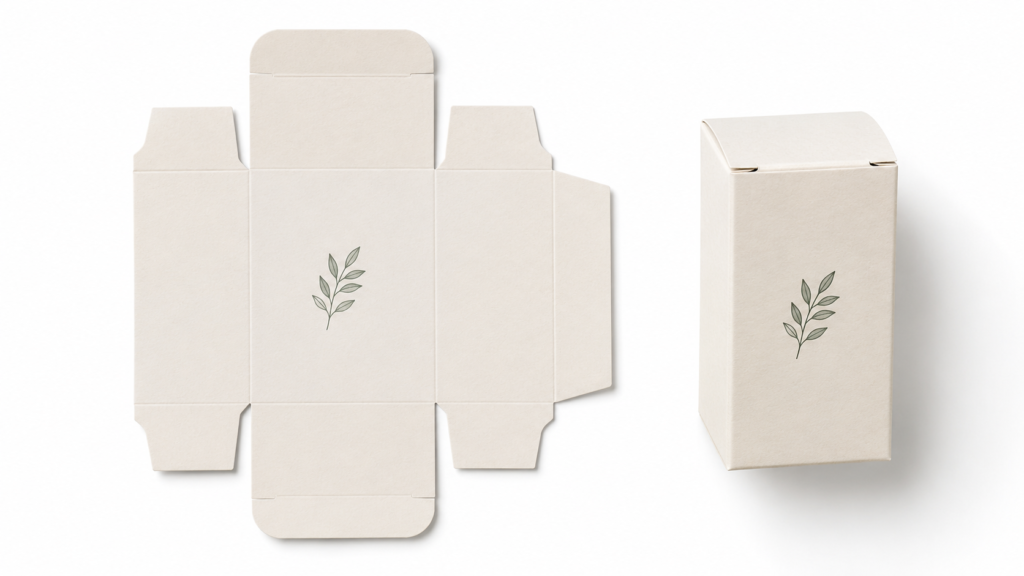
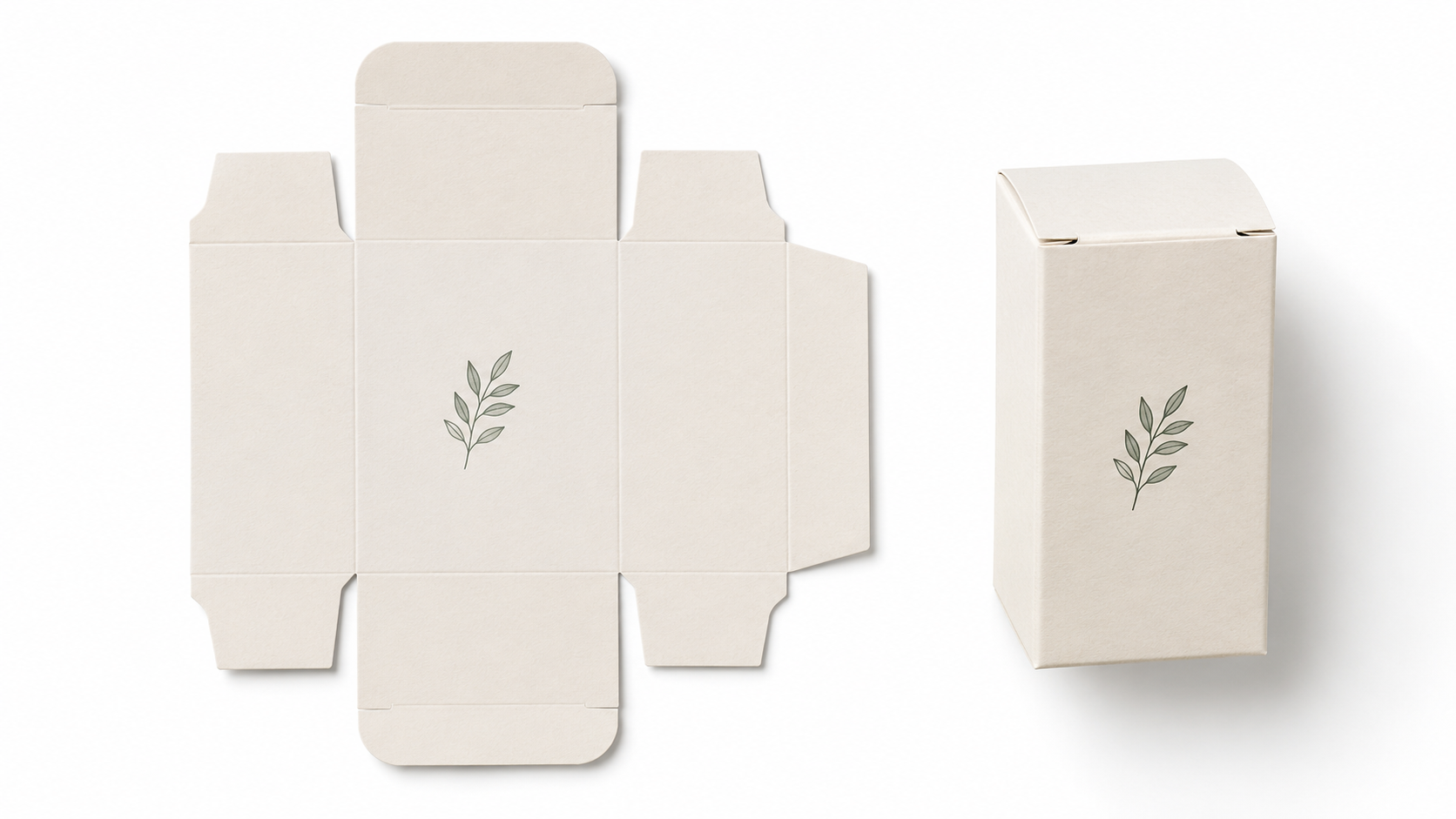
Folding cartons are made from paperboard (typically 200–400 gsm) that is die-cut and scored so it can be folded flat for shipping and erected at point of use. They’re the workhorse of retail packaging — lightweight, cost-effective, fully printable, and produced at high volumes with ease.
Folding cartons are everywhere: cereal boxes, medicine packaging, cosmetic tubes, food sleeves, and subscription box inserts.
Common Folding Carton Styles
- Straight tuck end (STE) — Both tucks close in the same direction; ideal for lightweight products
- Reverse tuck end (RTE) — Tucks close in opposite directions; more secure for heavier items
- Auto-bottom boxes — Base locks automatically during erection; great for fast packing lines
- Gable top boxes — Peaked top for carrying; common in food and beverage
- Display/shelf-ready boxes — Designed to sit on retail shelves open-face

Rigid vs Folding Carton: Side-by-Side Comparison
| Factor | Rigid Boxes | Folding Cartons |
|---|---|---|
| Material thickness | 1,200–3,000 gsm greyboard | 200–400 gsm paperboard |
| Structural strength | Very high — holds shape permanently | Moderate — depends on board grade |
| Pack flat for shipping? | No (except collapsible rigid) | Yes — ships and stores flat |
| Minimum order quantity | Typically 100–500 units | Typically 500–5,000 units |
| Unit cost | Higher ($2–$15+ per box) | Lower ($0.20–$2 per box) |
| Premium perception | Very high | Moderate to high |
| Customization options | Extensive (foil, emboss, fabric) | Full-color print, spot UV, foil |
| Best for | Luxury, gifts, electronics | Retail FMCG, food, beauty, pharma |
| Lead time | 2–4 weeks | 1–3 weeks |
Cost Breakdown: Where Your Money Goes
Cost is often the deciding factor — but it’s important to look at total cost, not just per-unit price.
Rigid Box Costs
- Higher material cost: Thick greyboard + decorative wrap = premium material expense
- Higher shipping cost: Rigid boxes don’t collapse, so you’re shipping air inside every box
- Lower tooling cost: No complex die-cutting required for basic styles
- Justifiable for high-margin products: A $5 rigid box on a $200 watch is negligible
Folding Carton Costs
- Lower per-unit cost at scale: Ideal for high-volume production runs
- Lower shipping and storage: Ships flat, maximizing pallet efficiency
- Die-cut tooling cost: One-time expense of $200–$600 depending on complexity
- Best ROI at 1,000+ units where per-unit cost drops significantly
Which Industries Use Which?
| Industry | Preferred Format | Why |
|---|---|---|
| Luxury jewelry | Rigid | Protects high-value items, elevates unboxing |
| Perfume & fragrance | Rigid | Premium shelf presence, protects glass |
| Electronics & tech | Rigid / Corrugated | Structural protection, brand presentation |
| Food & beverage | Folding carton | High volume, food-safe board, cost efficiency |
| Pharmaceuticals | Folding carton | Regulatory compliance, high-speed packing |
| Cosmetics & skincare | Both | Mass retail uses folding; prestige uses rigid |
| Subscription boxes | Folding / Corrugated | Ships flat, customizable, cost-effective |
| Gifts & special occasions | Rigid | Reusable, memorable unboxing experience |
Key Questions to Ask Before Deciding
- What is your product’s price point? — High-ticket items justify rigid; commodity products suit folding carton
- How important is the unboxing experience? — If customers film unboxings or give reviews, rigid adds perceived value
- What are your volume requirements? — Folding cartons scale better; rigid suits boutique quantities
- How will boxes be shipped? — Flat-pack capability reduces freight costs significantly at scale
- Does your product need to be visible? — Add a window cutout to either style for product visibility
Can You Have Both? Yes — Here’s How
Many brands use both formats strategically. A cosmetics brand might package everyday items in folding cartons for retail shelves, while creating a limited-edition rigid gift set for the holiday season. A jewelry brand might ship standard pieces in folding carton inserts, reserving rigid boxes for high-value items or corporate gifting.
The key is matching packaging to price point, audience, and purpose — not picking one format for everything.
PackPro Can Help You Choose the Right Format
Whether you need a run of premium rigid boxes or a high-volume folding carton solution, PackPro’s team will help you find the format that fits your product, budget, and brand goals. Contact PackPro today to discuss your packaging requirements and get a custom quote.
Related Reading
- Advantages of Folding Boxes
- Benefits of Using Collapsible Rigid Boxes
- Why Custom Rigid Boxes Are Used in Luxury Packaging
Frequently Asked Questions
What is the main structural difference between rigid boxes and folding cartons?
The core difference is that rigid boxes are constructed from thick greyboard (1,200–3,000 gsm) and permanently hold their shape, while folding cartons are made from lighter paperboard (200–400 gsm) that is die-cut and scored to fold flat. Rigid boxes cannot be collapsed for shipping, whereas folding cartons ship and store flat and are erected at the point of packing or use.
Are rigid boxes always more expensive than folding cartons?
On a per-unit basis, yes — rigid boxes typically cost $2–$15 or more per unit, while folding cartons range from $0.20–$2 at scale. However, the total cost comparison is more nuanced: folding cartons have a one-time die-cutting tooling cost and require higher minimum order quantities to reach competitive per-unit pricing. Rigid boxes can be ordered in lower quantities, making them accessible for boutique brands.
Which packaging format is better for food products?
Folding cartons are almost universally preferred for food and beverage packaging because they are produced from food-safe paperboard, can be manufactured at very high volumes cost-effectively, and ship flat to reduce freight and storage costs. Rigid boxes are rarely used for everyday food products, though they are sometimes used for premium gift food sets, chocolates, and high-end confectionery.
Can a brand use both rigid and folding carton packaging?
Yes — many brands strategically use both formats for different product lines or occasions. A cosmetics brand might use folding cartons for everyday retail SKUs and rigid boxes for holiday gift sets or premium product launches. This tiered approach allows brands to match packaging investment to product price point and target audience without overspending on lower-margin items.
What minimum order quantities (MOQs) apply to each packaging type?
Rigid boxes typically have lower minimum order quantities, often starting at 100–500 units, making them accessible for small brands and boutique runs. Folding cartons generally require higher minimums — typically 500–5,000 units — to offset the one-time die-cutting tooling cost and achieve a competitive per-unit price. Your packaging supplier can advise on the specific MOQs for your box style and specifications.