

Tube boxes are no longer just functional containers — they’ve become one of the most visually striking packaging formats in modern retail. Their cylindrical shape immediately breaks the grid of rectangular shelf displays, drawing the eye and inviting curiosity. From luxury skincare to premium spirits, brands across every category are discovering what a well-designed tube box can do for their product. Here are five design ideas that are defining modern tube box packaging.
What Is a Tube Box?
A tube box (also called a cylinder box or round box) is a packaging format made from wound paperboard or chipboard formed into a cylindrical shape. It typically features a friction-fit or snap-on lid and can be produced in various diameters and heights. Tube boxes are used across cosmetics, food, spirits, gifts, and specialty retail.
Design Idea #1: Minimalist Black with Gold Foil Accent
One of the strongest design directions for premium tube boxes is the combination of matte black and gold foil — simple, bold, and unmistakably luxury.
Works best for: Luxury candles, premium spirits, high-end cosmetics, and corporate gifting.
Why it works: Black signals sophistication; gold signals premium. The foil catches light from different angles, making the packaging eye-catching without any visual clutter.
Design Idea #2: Full Wrap Botanical Illustration
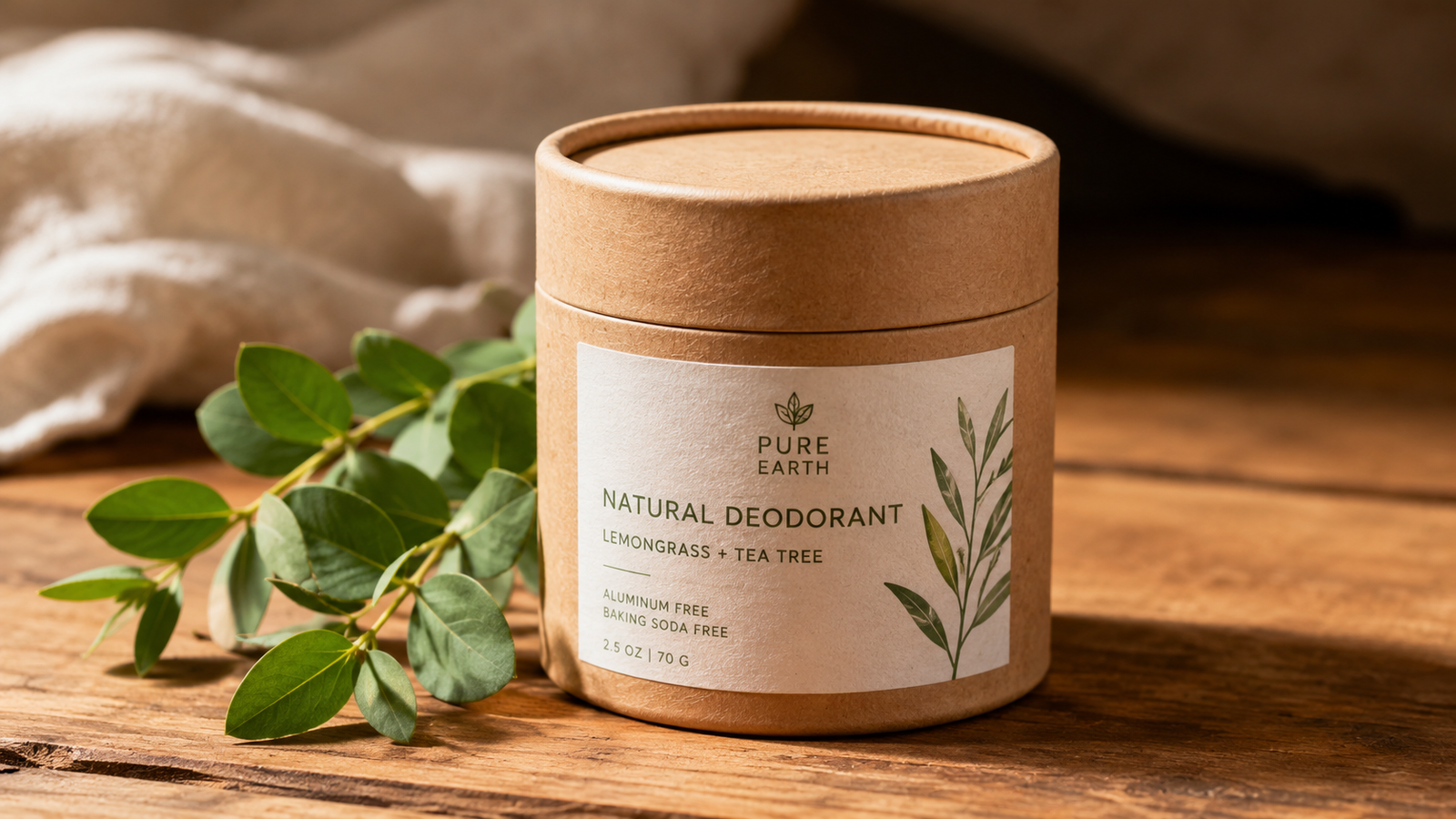
Illustrated packaging has been surging in popularity across beauty, food, and wellness categories. A tube box’s curved surface acts like a continuous canvas — the illustration wraps seamlessly 360 degrees, creating an immersive visual experience.
Works best for: Natural skincare, herbal teas, artisan food products, botanical-inspired fragrances.
Design Idea #3: Window Cut-Out for Product Visibility
A tube box with a die-cut window section reveals the product inside without fully opening the packaging. This creates intrigue, builds trust, and adds a design element that makes the package distinctive.
Works best for: Cosmetics, rolled candles, artisan products, specialty food, toys and novelty items.

Design Idea #4: Textured or Specialty Wrap Paper
Leading brands are wrapping their tube boxes in specialty materials that elevate the tactile experience: linen-effect paper, cork-textured wrap, velvet fabric, kraft paper, or leatherette.
Works best for: Artisan food and beverage, luxury gifts, premium spirits, high-end stationery.
Design Idea #5: Two-Tone Color Block with Contrasting Lid
Using two strongly contrasting colors in a bold color block layout — often a deep base color for the tube body and a vibrant contrasting color for the lid — creates immediate visual energy and makes the package feel contemporary and brand-forward.
Works best for: Beauty brands, wellness products, cosmetics, subscription boxes, direct-to-consumer brands targeting younger audiences.
Comparing the 5 Design Ideas
| Design Idea | Best Industry Fit | Budget Level | Key Technique |
|---|---|---|---|
| Minimalist black + gold foil | Luxury, spirits, gifts | Medium–High | Hot foil stamping on matte wrap |
| Full wrap botanical illustration | Natural beauty, food | Medium | Full-color digital or litho print |
| Window cut-out | Cosmetics, food, novelty | Medium | Die-cut tube panel |
| Textured specialty wrap | Artisan, luxury, spirits | Medium–High | Specialty paper or fabric wrap |
| Two-tone color block | Beauty, wellness, DTC | Low–Medium | Solid color print, contrasting lid |

Technical Tips for Tube Box Design
- Artwork must be designed for a curved surface: Flat artwork files need to account for the wrap-around
- Font legibility on curves: Small type can distort on curved surfaces — use bolder, simpler typefaces
- Seam placement matters: The seam where the wrap meets itself should be planned to fall in a visually logical position
- Lid fit tolerance: Friction-fit lids need precise dimensional tolerances
- Always request a physical sample: Tube packaging looks very different on screen versus in hand
Create Your Custom Tube Box with PackPro
PackPro produces custom tube boxes in a wide range of sizes, wrap materials, and finishes — from kraft artisan tube boxes to luxury foil-wrapped cylinder packaging. Contact PackPro today to discuss your tube box project and receive a custom quote.
Related Reading
- How Packaging Colors Influence Customer Decisions
- Matte vs Gloss Finish Boxes: Benefits and Differences
- Top 5 Cosmetic Box Designs for a Better Brand Look
Frequently Asked Questions
What products are best suited to tube box packaging?
Tube boxes work particularly well for products that benefit from a distinctive, non-rectangular silhouette on shelf — including luxury candles, premium spirits and wine, skincare and cosmetics, artisan food products, and corporate gifts.
How is artwork prepared differently for a tube box compared to a flat box?
Artwork for tube boxes must be prepared as a flat wrap that accounts for the full circumference of the tube. Your designer needs a cylindrical dieline template from your packaging supplier to ensure the art aligns correctly when wrapped.
What finish options work best on tube box packaging?
Matte black with hot gold foil stamping is one of the most effective finish combinations for premium tube boxes. Specialty wrap papers such as linen-effect, kraft, or velvet fabric add a tactile premium quality.
How do I ensure the lid of a tube box fits correctly?
The lid diameter must be manufactured to precise tolerances relative to the tube body — typically a clearance of 0.5–1mm for a smooth friction fit. Always request a physical sample before approving production.
Can tube boxes include a window cut-out to show the product inside?
Yes — tube boxes can be die-cut with window openings in various shapes, including vertical strips, circular ports, or geometric forms, then backed with a clear PET film insert.