
Flip-top boxes — also called hinged lid boxes or snap-top boxes — are one of the most popular packaging formats across retail, gifting, and e-commerce. Their intuitive opening mechanism, clean aesthetic, and structural versatility make them a go-to choice for everything from cosmetics to electronics. But with so many variations in material, size, closure type, and finish, choosing the right flip-top box requires understanding a few key factors. This guide covers all of them.
What Is a Flip-Top Box?
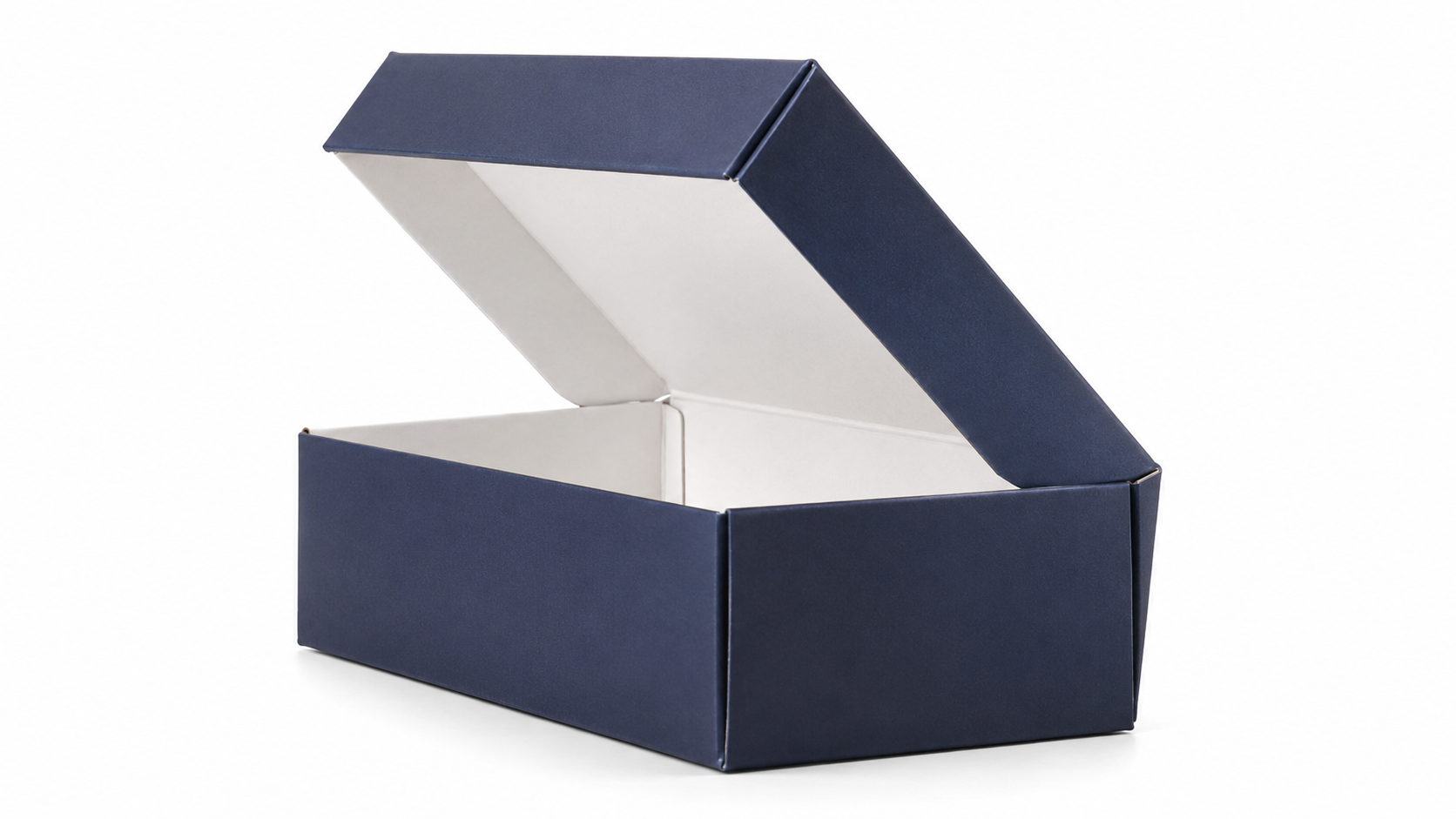
A flip-top box is a packaging format where the lid is attached to the base via a hinge — either a physical hinge (in rigid construction) or a scored fold (in folding carton construction). The lid “flips” open and closed, giving the box a clean, one-piece appearance and an intuitive user experience.
Types of Flip-Top Boxes
| Type | Construction | Best For |
|---|---|---|
| Rigid clamshell | Thick greyboard with fabric or paper wrap; physical hinge | Jewelry, luxury gifts, cosmetics |
| Magnetic flip-top | Rigid board with embedded magnets to hold lid closed | Premium electronics, cosmetics, gifts |
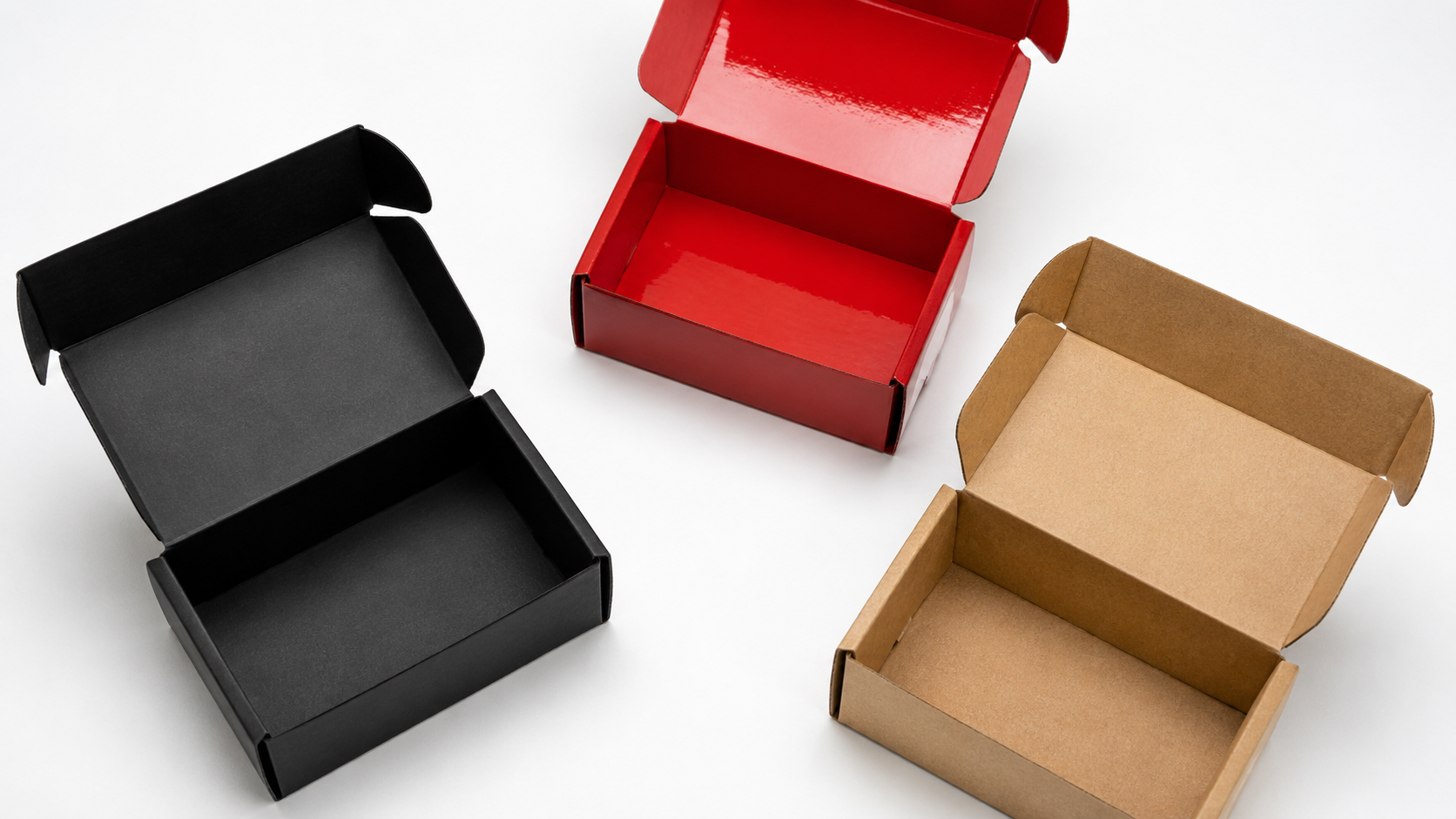
| Folding carton flip-top | Paperboard scored and glued; lid folds back | Retail food, beauty, supplements |
| Book-style box | Rigid construction, opens like a hardcover book | Fashion, gifts, cosmetics collections |
| Snap-lock lid box | Folding carton with friction-fit lid | Mid-range retail, subscription boxes |
Step 1: Identify Your Product Requirements
- Weight: Heavy products need thicker board or rigid construction to prevent base deformation
- Fragility: Delicate items require snug internal inserts so the product doesn’t move
- Dimensions: Measure your product (L × W × H) with any required clearance — typically 3–5mm on each side
- Moisture or temperature sensitivity: Some products need laminated or coated board for protection
- Multiple items: If the box holds multiple pieces, a tray or divider insert will be needed
Step 2: Choose Rigid or Folding Carton Construction
| Factor | Rigid Flip-Top | Folding Carton Flip-Top |
|---|---|---|
| Per-unit cost | Higher ($3–$15+) | Lower ($0.30–$2) |
| Premium feel | High — thick, substantial | Moderate — depends on finish |
| Ships flat? | No (except collapsible variants) | Yes |
| Minimum order | 100–500 units | 500–2,000 units |
| Best for | Luxury, gifts, high-value products | Retail, FMCG, mid-range products |
Step 3: Consider the Closure Mechanism
- Friction fit (no closure): The lid stays closed through tension — lowest cost
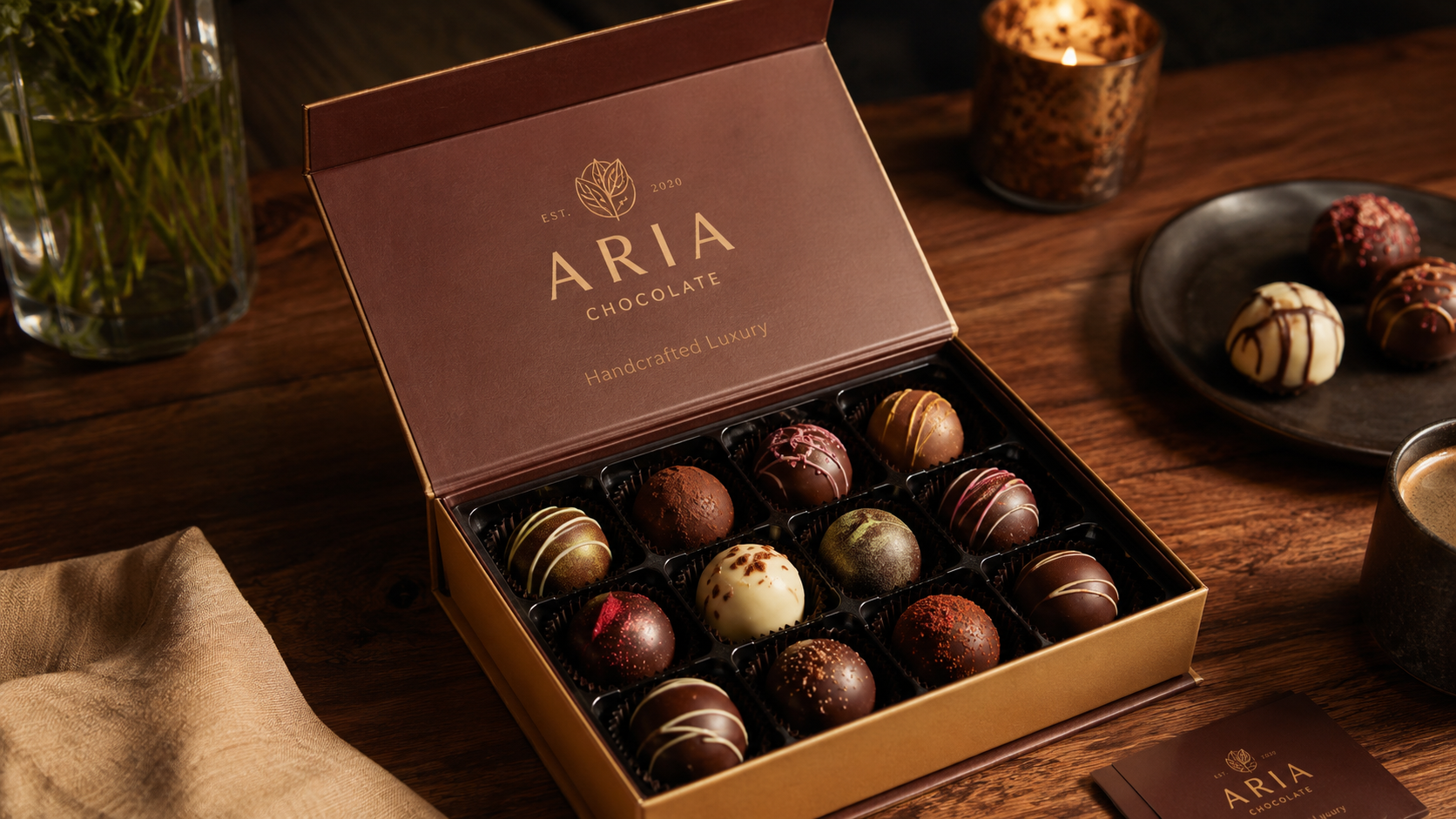
- Magnetic closure: Embedded magnets provide a satisfying snap — premium feel
- Ribbon or elastic closure: Decorative element that also holds the lid
- Tuck flap closure: Folding carton style — practical, low cost
Step 4: Decide on Interior Requirements
- Foam inserts: Custom-cut foam holds fragile products securely
- Cardboard trays: Die-cut cardboard dividers organize multiple items
- Fabric or paper lining: Satin, velvet, or decorative paper adds a premium interior feel
- Printed interior: Brand messaging or pattern printing inside the lid adds impact
- No insert: For low-value or self-contained products
Step 5: Select Exterior Finish and Print
- Matte lamination: Sophisticated, modern finish; resists fingerprints
- Gloss lamination: Vibrant, high-contrast; works well for colorful designs
- Soft-touch coating: Velvety texture; the most tactile premium finish available
- Hot foil stamping: Gold, silver, or colored metallic accents
- Embossing/debossing: Raised or recessed design elements add dimension
- Spot UV: Glossy coating on selected areas against a matte background
Step 6: Match Box to Product and Price Point
| Product | Recommended Flip-Top Style | Key Features |
|---|---|---|
| Luxury jewelry | Rigid clamshell with velvet lining | Foam insert, satin interior, foil exterior |
| Skincare gift set | Magnetic rigid flip-top | Soft-touch exterior, custom tray insert |
| Mid-range cosmetics | Folding carton flip-top | Gloss or matte lamination, full-color print |
| Premium candle | Rigid book-style box | Embossed brand name, ribbon closure |
| Subscription box | Folding carton snap-top | Full exterior print, no insert |
| Electronics accessory | Rigid magnetic flip-top | Custom foam tray, minimal exterior design |
Common Mistakes When Choosing a Flip-Top Box
- Choosing size before measuring the product — always measure with packing tolerances factored in
- Underspecifying hinge strength — cheap hinges on rigid flip-tops fail quickly with repeated use
- Ignoring magnetic strength — weak magnets create a poor user experience
- Skipping a physical sample before production — always approve a physical prototype before committing to a full run
- Prioritizing exterior while neglecting interior — the inside of the box is what the customer sees when they open it
Design Your Custom Flip-Top Box with PackPro
PackPro designs and manufactures custom flip-top boxes in both rigid and folding carton formats, across a full range of sizes, finishes, and closure styles. Contact PackPro today to get started with a custom flip-top box quote.
Related Reading
- How to Choose the Right Magnetic Closure Gift Box
- Rigid vs Folding Carton: Which One Should You Choose?
- Matte vs Gloss Finish Boxes: Benefits and Differences
Frequently Asked Questions
What is the difference between a rigid flip-top box and a folding carton flip-top box?
A rigid flip-top box is made from thick greyboard with a physical hinge — heavier, more durable, and delivers a premium unboxing experience. A folding carton flip-top is made from lighter paperboard with a scored fold — more cost-effective, ships flat, and better suited to retail and mid-range products.
What closure type is best for a luxury flip-top box?
Magnetic closures are the most popular choice for luxury flip-top boxes because they provide a satisfying tactile snap when the lid closes, reinforcing the premium feel of the packaging.
How do I choose the right size for a flip-top box?
Always measure your product’s length, width, and height first, then add a clearance of 3–5mm on each side. If you are including an insert such as a foam tray or cardboard divider, account for the insert thickness in your interior dimensions.
What interior options are available for flip-top boxes?
Flip-top boxes can be fitted with custom-cut foam inserts, die-cut cardboard trays and dividers, fabric lining such as velvet or satin, and printed interiors for brand messaging or care instructions.
Can flip-top boxes be used for e-commerce packaging?
Yes — folding carton flip-top boxes are particularly well suited to e-commerce because they ship flat and can be erected at the point of packing. Rigid flip-top boxes can also be used for e-commerce, typically placed inside a corrugated outer shipper for transit protection.