
By the PackPro packaging engineering team, Dongguan, China. Last updated 2026-11-09.
Quick answer: A magnetic box lid that will not close flush is almost always caused by one of eight things: insert or product height pushing the lid up, board warp from moisture, misaligned or under-powered magnets, an uneven wrap or spine, a lid cavity that is too shallow, off-grain board, a stiff hinge, or a size tolerance that was never specified. Measure the gap first. A uniform gap along the whole lid points to height or insert problems; a gap at one corner or one side points to warp, magnet misalignment or hinge issues.
A magnetic gift box is judged in the first two seconds of unboxing. If the lid sits a millimetre proud, springs open slightly, or closes with a visible gap on one side, the box looks cheap, no matter how good the print or finish is. This guide explains the eight most common causes, how to diagnose each in under a minute, and what to specify so the problem does not appear in your production run.
If you are new to the structure, see our overview of magnetic rigid boxes and collapsible magnetic boxes first.
How a magnetic rigid box closes (and why it fails)
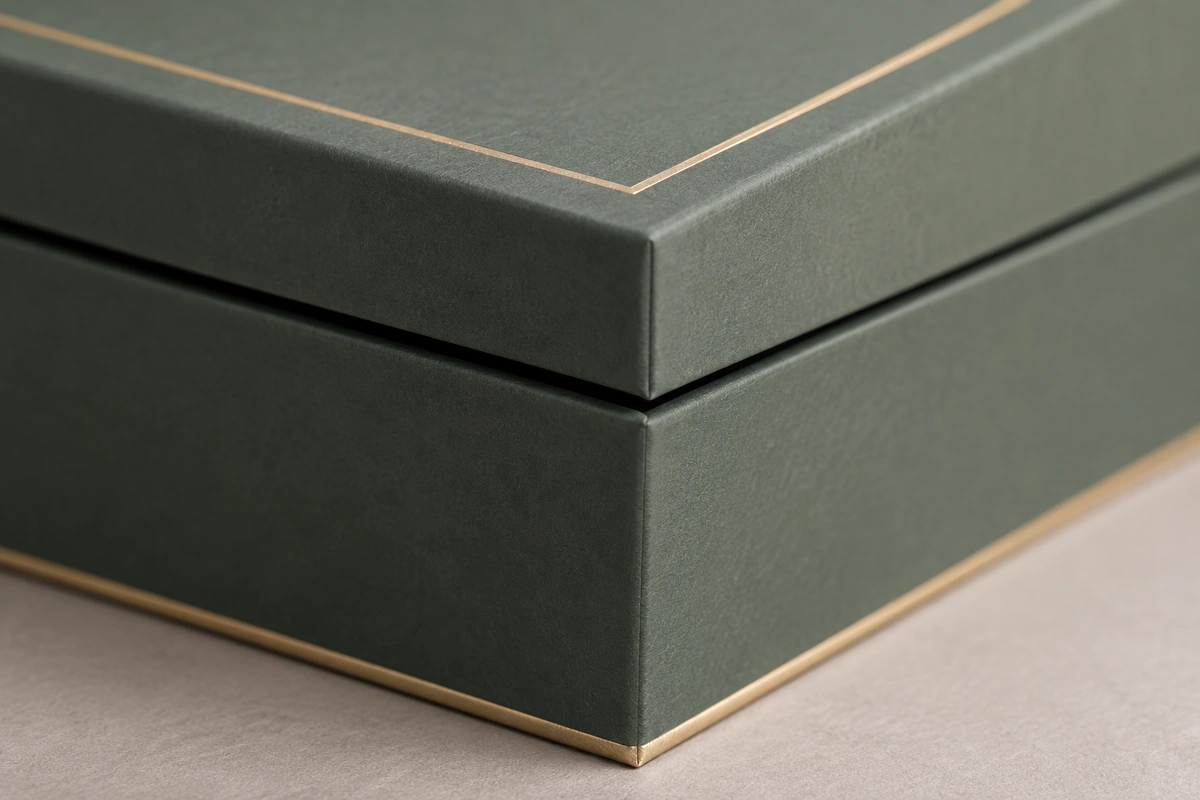
A magnetic box has a base tray, a lid (often a flip-top, hinged on a spine), and small magnets, usually one in the lid flap or lid panel and a matching magnet or steel plate in the base wall. The lid closes flush only when four conditions are met at the same time:
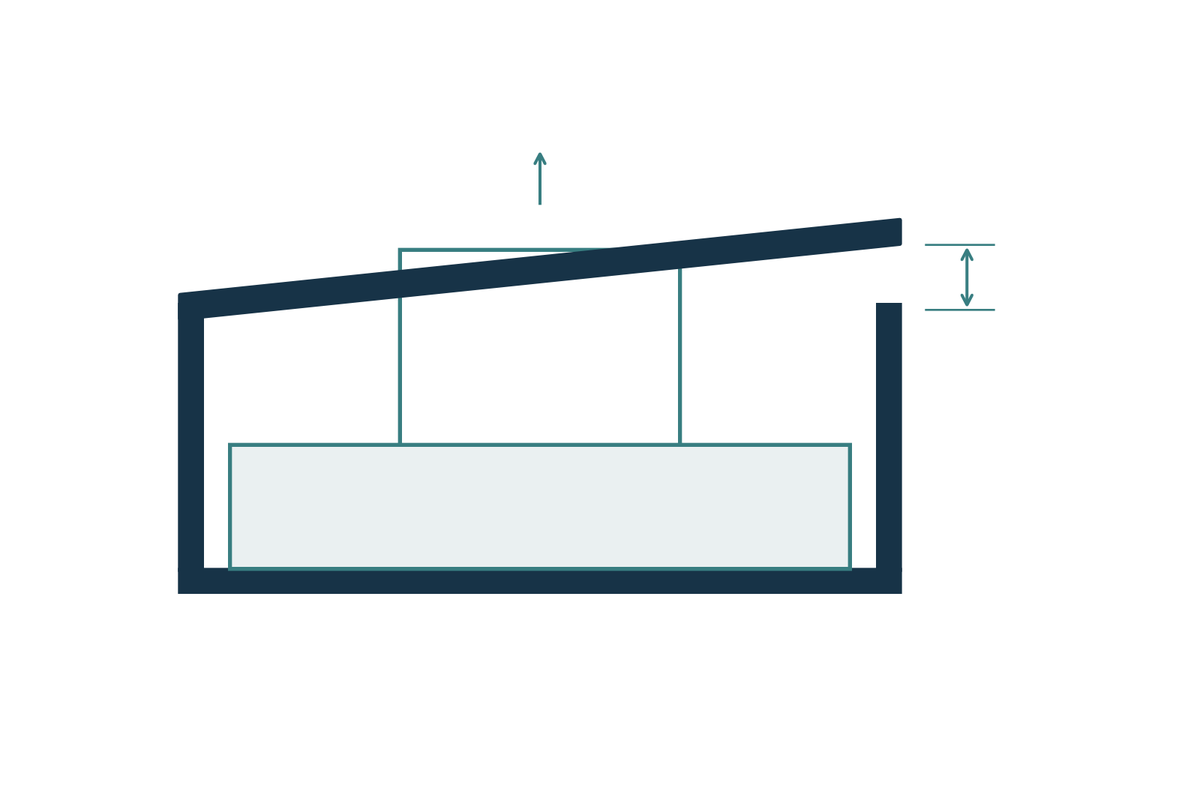
- The inner stack (product plus insert) is lower than the base wall height.
- The lid and base are flat, square and stable.
- The magnets sit in the same position on both parts, with enough pull and a consistent gap.
- The hinge or spine has the right amount of play.
When any one of the four is off, you see a gap, a tilt or a spring-back.
The 8 most common causes and fixes
| # | Symptom | Likely cause | How to confirm | Fix |
|---|---|---|---|---|
| 1 | Even gap along the whole lid | Product or insert is taller than the base cavity | Remove the insert and close the empty box | Lower the insert, reduce foam thickness, or increase base height |
| 2 | Lid lifts at one corner | Board warp (humidity or drying stress) | Place a steel ruler across the closed lid and check for rocking | Use properly conditioned board, add moisture control, see our humid-region shipping guide |
| 3 | Lid pops open slowly | Magnets too weak, or air trapped in the box | Test closing with the product removed | Increase magnet grade or size; add a small vent via a finger notch |
| 4 | Lid closes but sits off-centre | Magnets misaligned between lid and base | Close the lid and look at the gap on all four sides | Tighten magnet placement tolerance in the factory jig |
| 5 | Visible bulge on the lid edge | Wrap paper overlap or glue build-up | Run a fingernail along the folded edge | Specify uniform wrap overlap and glue quantity; sample-check edges |
| 6 | Lid is too tight to close | No neck or lid clearance, wrap thickness ignored | Measure the lid inner size against the base outer size | Add clearance (see our tolerances guide) |
| 7 | Hinge side gaps, far side flush | Spine too stiff or too loose | Open and close 20 times and watch the gap change | Adjust spine width and board gap; use a more flexible spine paper |
| 8 | Different units behave differently | Tolerances not specified in the order | Compare 5 units from the same batch | Add dimension and gap tolerances to the PO and sample approval |
Diagnose it in 60 seconds
Work through this short routine on one defective unit:
- Empty test: Remove the product and insert. If the lid now closes flush, the cause is height (#1), not the box.
- Flat test: Place the base on a flat table and press each corner. A rocking base points to warp (#2).
- Magnet test: Hold the lid just above the base and let go. The lid should snap to the same position every time. Wandering means misalignment (#4); weak snap means a magnet issue (#3).
- Edge test: Look at the box edges in raking light for bulges, glue lines or overlaps (#5).
- Batch test: Check five units from the same carton. If only some fail, tolerance control is the problem (#8).
Insert height: the cause people overlook
Most “lid will not close” complaints on custom boxes come from inserts. EVA or EPE foam compresses and then rebounds, and a tight foam cut can lift the product 1 to 2 mm after packing. As a working rule, keep the highest point of the product plus insert at least 2 to 3 mm below the top of the base wall, and always test with the real product, not a mock-up. PackPro supplies custom inserts and accessories made to the product’s actual dimensions for exactly this reason.
Moisture and warp
Rigid board is paper, and paper moves with humidity. Boxes made in dry conditions and shipped to humid ports can absorb moisture unevenly, which curls the lid. Controlling moisture at the factory and during transit is more effective than trying to correct warp after the fact. We cover this in detail in How to Protect Packaging During Shipping to Humid Regions.
What to specify before production
Add these lines to your technical drawing or purchase order:
- Internal dimensions (L x W x H) and the product dimensions they are based on
- Board thickness (for example 2.0 mm greyboard) and wrap paper type
- Lid-to-base clearance target and acceptable range
- Magnet size, grade and position (distance from the edge)
- Insert material, thickness and cavity tolerance
- Required approval: pre-production sample signed off with the real product inside
For a full checklist you can send to factories, use our packaging RFQ template.
When to reconsider the structure
If the product is tall or heavy, a classic flip-top magnetic box may not be the best structure. A lid-and-base box or a drawer box distributes load differently and avoids spring-back on the lid. If shipping volume is a cost driver, a collapsible rigid box can flatten for freight while keeping the premium look.
Frequently asked questions
Why does my magnetic box lid not close properly?
The most common reasons are an insert or product that is taller than the base cavity, board warp from humidity, magnets that are misaligned or too weak, and an uneven wrap or hinge. Close the box empty first: if it closes flush, the cause is the insert height, not the box.
How much clearance should a magnetic box lid have?
For most flip-top magnetic boxes, the lid-to-base clearance is typically around 1 to 2 mm total, depending on board thickness and wrap paper. The right value depends on your structure, so confirm it on a pre-production sample with the real product inside.
Can humidity make a magnetic box lid warp?
Yes. Rigid board absorbs and releases moisture, and uneven moisture causes curling. Humid destinations need moisture control, such as lined cartons, desiccants and wrapped pallets.
Are stronger magnets always better?
No. Magnets that are too strong can crush wrap paper at the closing point and make the box hard to open. The goal is a clean snap that holds the lid closed without damaging the edges.
Can a lid that does not close flush be fixed after production?
Minor cases (a slightly tall insert, for example) can be fixed by replacing the insert. Warped boxes or misaligned magnets usually cannot be repaired, so prevention through sampling is far cheaper.
Does PackPro make magnetic rigid boxes?
Yes. PackPro manufactures custom magnetic rigid boxes, including collapsible magnetic versions, factory-direct from Dongguan, China. You can send your dimensions through the quote form.
Planning a packaging project? Send us the brief.
Share your product dimensions, target quantity and destination market, and the PackPro engineering team will reply with a structural recommendation and a quotation. You do not need a finished design to start.
Request a custom quote | Email: info@packpropkg.com | WhatsApp / phone: +86 184 7552 0523
PackPro is the brand of Dongguan City XinHongCai Paper Products Co., Ltd, a factory-direct packaging manufacturer in Dongguan, China with FSC, BSCI, ISO 9001 and ISO 14001 certification (see certifications).
Related reading
Sources and further reading
- ISTA packaging testing standards for transit and humidity testing
- FSC for responsibly sourced paper and board